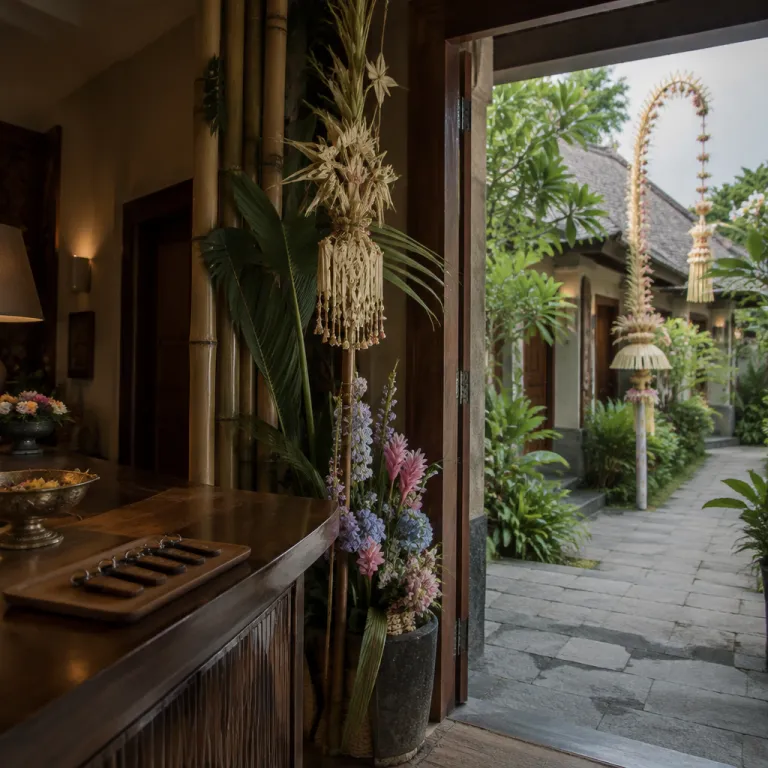
Galungan’s rising appeal and what it means for your Bali hotel plans
Galungan has become one of the most talked about cultural moments in Bali for travellers choosing where to stay. The phrase galungan 2026 trending reflects how images of penjor bamboo, temple ceremonies and Balinese families gather now shape hotel searches as much as beaches. When you plan your time in Bali around Galungan day, you step into a living calendar where every day carries a different spiritual weight.
Galungan is the Balinese Hindu festival that celebrates the victory of good over evil, and it follows the 210 day Pawukon calendar rather than the international year that hotels usually reference. In the most recent cycle, Galungan fell in June and created a ten days sequence of ceremonies, from Penampahan the day before Galungan day to Kuningan Bali at the end, when ancestral spirits are believed to return to the heavens. This pattern means that when Galungan June approaches again, demand for rooms near major temple areas such as Ubud, Sanur and Denpasar rises sharply.
For someone booking a hotel, the key is to understand how these ten days affect the island’s rhythm and your own expectations. On Galungan day itself, many Balinese locals leave tourism jobs early morning to join their families, so some services slow while the island’s spiritual energy intensifies. Because Galungan and Kuningan are not national holidays for all of Indonesia, but Bali grants optional leave for Hindus only, you will find a mix of open and closed businesses that your hotel concierge can help you navigate.
Choosing the best Bali area to stay in during Galungan and Kuningan
Where you sleep during Galungan in Bali will shape how close you are to the ceremonies that are now driving the galungan 2026 trending searches. Ubud is often the best base for travellers who want to walk to village temples, watch penjor bamboo poles sway above narrow streets and join respectful early morning visits. Coastal areas such as Sanur and Nusa Dua offer calmer days, yet hotel staff still decorate entrances with curved bamboo and coconut leaves that echo the penjor seen in more traditional neighbourhoods.
In central Bali, many families gather in compounds that sit just behind the main road, so a small hotel lane can suddenly open onto a courtyard filled with offerings and incense. Staying near a local banjar community hall lets you see how Balinese culture organises time around temple duties, music rehearsals and preparations for Galungan Kuningan ceremonies. Ask your hotel to recommend visiting temples where guests are welcome, then plan your day so you arrive between family prayer times and larger processions.
Traffic patterns also change during these days, which affects how you move between your hotel and the rest of Bali. Before you book, read a practical guide on how to get around Bali cheaply from your hotel, because local transport options can be slower when processions cross main roads. If you are staying in Ubud during Galungan June, allow extra time to reach nearby villages, as travellers often pause to photograph penjor bamboo arches and families in traditional dress walking to temple.
How hotels coordinate with Balinese families and temples during the festival
Behind the scenes, many Bali hotels work closely with local families and temple committees to respect the spiritual priorities of Galungan day. Staff often split shifts so that Balinese team members can join early morning prayers, then return later to assist travellers with breakfast or day tours. This coordination becomes especially visible on the day Galungan itself, when you may see flower offerings placed discreetly around the lobby before sunrise.
Some properties in Ubud and the highlands arrange optional walks to nearby penjor lined streets, guided by locals who explain the symbolism of the curved bamboo poles and coconut leaves. These walks help guests experience Galungan without intruding on private family rituals, and they often include short stops at a temple gate where you can observe from a respectful distance. If you are planning a sunrise excursion such as the Mount Batur sunrise trek from Bali hotels, ask whether Galungan or Kuningan Bali falls near your dates, because guides may adjust departure times to balance spiritual duties and guest safety.
Hotels that understand Balinese culture will brief guests about dress codes for visiting temples, especially during the ten days between Galungan and Kuningan. Expect clear advice on wearing a sarong and sash, covering shoulders and avoiding entry to inner courtyards reserved for families and ancestral spirits. When you see staff placing offerings near entrances or vehicles, remember that these gestures are part of a wider belief that spirits earth side return home during this period, and your patience with slower service at certain hours shows respect.
What to expect from ceremonies, penjor bamboo and daily life around your stay
During Galungan in Bali, the most visible sign for travellers is the forest of penjor bamboo poles rising above streets and hotel driveways. Each penjor is a tall curved bamboo trunk decorated with coconut leaves, rice and flowers, symbolising prosperity and gratitude to ancestral spirits. When galungan 2026 trending images circulate online, they often show these graceful arches lining village roads, with locals walking beneath them in white and gold temple attire.
Life on the island does not stop during these days, but the rhythm changes in ways that hotel guests quickly feel. Shops may open later after early morning prayers, and some restaurants close for a day so that families gather at home for ritual meals and offerings. You might notice that your usual spa therapist or driver is away on Galungan day or Kuningan Bali, replaced by another staff member who has arranged their own time with family and temple earlier in the ten days cycle.
For respectful travellers, this is an opportunity rather than an inconvenience. Ask your hotel concierge which local ceremonies are appropriate for visitors, and whether any visiting temples near your area welcome guests during quieter hours. Many Balinese locals are proud to share explanations of good and evil in their mythology, the role of offerings in balancing these forces and how Bali Galungan reinforces community bonds each year.
Planning your daily schedule: time, transport and respectful participation
Thoughtful planning around Galungan day will help you enjoy both your hotel comforts and the spiritual atmosphere that makes galungan 2026 trending among culture focused travellers. Start by checking whether your stay overlaps with June Galungan dates, then ask your hotel to outline which days are most ceremony heavy for their staff and nearby villages. On those specific days, schedule lighter activities close to your base, such as spa treatments, pool time or short walks to watch penjor bamboo decorations.
Early morning is often the most evocative time, when incense drifts through quiet streets and families in traditional dress head to temple before the day grows hot. If you wish to experience Galungan respectfully, join a local guide who understands when visitors may observe and when spaces are reserved for families gather in private. Many hotels in Ubud and beyond now offer small group cultural walks that explain why offerings are placed at ground level, at shrines and even on vehicles, linking daily life to beliefs about spirits earth side returning home.
Transport requires extra attention during the ten days from Galungan to Kuningan Bali, because processions can slow traffic and some drivers adjust their working hours. Build generous time buffers into any airport transfers or cross island journeys, and let your hotel know if you plan to be out on the road during major ceremony hours. If you are unsure what to pack for temple visits and respectful attire at refined properties, consult a detailed Bali packing list for women staying in refined hotels and adapt it to your own style.
How Galungan shapes hotel design, service and guest experiences
The growing interest in galungan 2026 trending has encouraged many Bali hotels to highlight their connections to Balinese culture in subtle, thoughtful ways. You may notice lobby arrangements that echo temple offerings, with coconut leaves and flowers arranged in patterns reminiscent of canang trays. Some properties commission local artisans to carve motifs of good and evil spirits into stone or wood, reflecting the festival’s core message of dharma triumphing over adharma.
Service patterns also shift slightly around the festival, as managers balance guest expectations with the needs of Balinese staff and their families. In well run properties, you will receive advance notice of any changes to restaurant hours on Galungan day or Kuningan Bali, along with suggestions for alternative dining options nearby. This transparency reflects a wider understanding that travellers value authentic experience Galungan moments, even if it means adjusting their usual holiday routine by an hour or two.
Some hotels now curate small cultural programs during the ten days between Galungan and Kuningan, such as talks by local priests or community leaders about ancestral spirits and the role of offerings. These sessions often explain why bamboo poles and penjor bamboo arches are placed outside homes, how coconut leaves are folded and why families gather at specific times to welcome spirits earth side. When you evaluate which property offers the best stay for your interests, look for those that treat Balinese culture as a living partnership with locals rather than a staged performance.
Practical etiquette and what respectful travellers should never do
Respectful behaviour during Galungan in Bali begins with understanding that you are entering a sacred time for Balinese Hindus, not just a colourful backdrop for holiday photos. When you see families gather around shrines or carrying offerings along the road, step aside, lower your voice and avoid blocking their path for the sake of a better angle. If you join visiting temples during Galungan June, follow staff or guide instructions carefully about where you may stand and when photography is inappropriate.
Dress modestly whenever you leave your hotel for temple areas, especially on Galungan day and Kuningan Bali, when spiritual focus is at its peak. A sarong and sash are usually required inside temple grounds, and shoulders should be covered out of respect for both locals and ancestral spirits believed to be present. Never touch offerings or penjor bamboo decorations, even if a coconut leaf or flower has fallen to the ground, because these are part of an ongoing dialogue between families and spirits earth side.
Finally, remember that Galungan and Kuningan are not staged events for visitors but central pillars of Balinese culture that repeat every 210 days. As one official explanation notes, “Galungan 2026 was Bali’s Hindu festival celebrating dharma winning over adharma.” When you choose a hotel and plan your days with this understanding, you become part of a respectful exchange where travellers, locals and families all share the same island space with care.
Key figures and timing around Galungan in Bali
- Galungan follows a 210 day Pawukon cycle, which means its dates shift through the international calendar and can fall in June, creating varying levels of hotel demand each year.
- The festival period spans ten days from Galungan to Kuningan, so travellers whose stays overlap this full window experience both the opening and closing ceremonies in villages and temples.
- In the most recent widely referenced cycle, Galungan fell on 17 June and Kuningan on 27 June, a pattern that hotel revenue managers now track closely when forecasting occupancy and pricing.
- Because Galungan is not a national holiday for all of Indonesia, but Bali grants optional leave for Hindus, service reductions tend to be partial rather than complete, with many tourism businesses operating on shorter hours.
- Penjor bamboo decorations typically remain standing for the full ten days, giving travellers a generous window to photograph these curved bamboo symbols without needing to be present only on Galungan day itself.
Frequently asked questions about staying in Bali during Galungan
Is Galungan a national holiday across Indonesia ?
Galungan is not a nationwide public holiday, and only Bali grants optional leave for Hindu residents, so many government offices and some businesses on the island reduce hours while the rest of Indonesia operates normally. For hotel guests, this means services continue but may be slightly slower or adjusted on key days. Always check with your property for specific changes to restaurant, spa or transport schedules.
How often does Galungan occur and how long does it last ?
Galungan occurs every 210 days according to the Balinese Pawukon calendar, not once per international year. Each cycle includes a ten days festival period from Galungan day to Kuningan, when ceremonies, offerings and temple visits intensify across villages. Travellers whose stays overlap this full window gain a deeper view of Balinese culture in daily life.
Which Bali areas are best for experiencing Galungan respectfully ?
Ubud and the surrounding central highlands offer the richest access to traditional ceremonies, penjor lined streets and family compounds, making them ideal for culture focused travellers. Coastal areas such as Sanur and Nusa Dua provide a gentler introduction, with hotels incorporating decorations and small rituals while maintaining resort style comfort. Wherever you stay, ask staff about appropriate visiting temples and local etiquette before joining any ceremony.
Will shops and restaurants be closed during Galungan and Kuningan ?
Some local businesses close on Galungan day and Kuningan, especially family run warungs and small shops, while larger supermarkets and many restaurants remain open with reduced hours. Hotels usually maintain core services but may adjust meal times or staffing to allow Balinese employees to attend ceremonies. Planning ahead with your concierge helps you avoid surprises and find open options nearby.
How should I dress and behave at temples during Galungan ?
Visitors should wear a sarong and sash, cover shoulders and avoid revealing clothing when entering temple grounds at any time, especially during Galungan and Kuningan. Behaviour should remain calm and respectful, with phones on silent, no flash photography and no walking in front of praying families. Never touch offerings, penjor bamboo decorations or shrines, and follow all instructions from temple guardians or guides.