Understanding Bali Indonesia cultural etiquette before you book your hotel
Bali Indonesia cultural etiquette shapes every stay, from beachfront resorts to quiet inland retreats. When you understand how Balinese culture influences daily life, you move through hotel spaces, village lanes, and temple courtyards with ease and respect. This awareness of local customs is considered essential by Balinese people, who value harmony, courtesy, and thoughtful social interactions.
Many travellers focus on room categories and pools, yet they often overlook how etiquette in Bali quietly defines each experience. In Indonesia, and especially in Bali, people expect visitors to show respect through small gestures, such as how you use your hand, how you walk past daily offerings, and how you speak to staff. Learning a few etiquette tips before you travel will help you avoid awkward moments and will signal respect for Balinese culture from the moment you arrive at your hotel lobby.
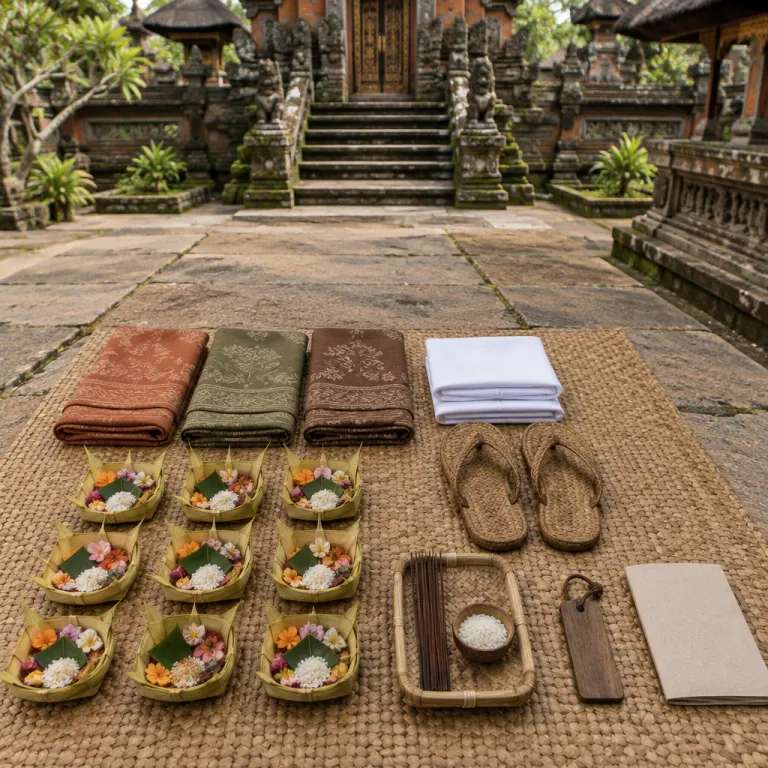
In Balinese culture, the island is viewed as a living temple, so cultural etiquette extends far beyond formal religious ceremonies. Hotel gardens often include shrines, and staff prepare canang sari, the small daily offerings of flowers and rice, before breakfast service begins. One concierge in Ubud described it simply: “For us, every corner of the hotel can be sacred at certain times of day.” When you recognise these practices as expressions of faith rather than decoration, you naturally adjust your behaviour and show a clear sign of respect.
Dress code, hotel stays, and visiting temples from your resort
What you wear in Bali is part of Bali etiquette, especially when your hotel stay includes visiting temples or sacred sites. Around the pool or beach, relaxed resort wear is fine, yet a more modest dress code is expected in lobbies, restaurants, and during cultural activities hosted by Balinese people. When you leave the hotel for visiting temples, shoulders and knees should be covered, which is considered a basic form of showing respect in Balinese culture.
Many refined hotels in Bali provide sarongs and sashes for temple etiquette, but you should still pack light, breathable clothing that suits both the climate and local customs. For a detailed wardrobe checklist aligned with Bali Indonesia cultural etiquette, you can consult this practical outfit guide for hotels, temples, and beaches. These etiquette tips will help you avoid last minute purchases and will ensure that your dress code remains appropriate from breakfast buffets to evening ceremonies.
When you join hotel led cultural tours, staff will often brief you on temple etiquette before entering sacred spaces. Listen carefully when they explain how to walk around shrines, where to stand during prayers, and how to handle canang sari or other offerings without using your left hand. In many temples, you will be asked to tie a sarong around your waist and a sash above the hips, with the knot placed neatly at the side rather than the front. Such guidance reflects long standing local traditions, and following it will reassure Balinese people that their culture is safe in your hands.
Hands, gestures, and social interactions with Balinese people
In Bali, the way you use your hands is central to cultural etiquette and shapes many social interactions. The right hand is used for giving money, receiving hotel key cards, and accepting food, while the left hand is reserved for personal tasks and is considered impolite in public exchanges. When you remember this simple rule, you show respect in countless small moments, from paying at reception to buying fruit outside your hotel.
Pointing directly at people or sacred sites with one finger is also considered rude in Balinese culture, so you should gesture with an open hand instead. When hotel staff or local guides in Indonesia indicate directions to temples or markets, you will notice that they use this softer gesture as part of everyday etiquette in Bali. Copying these movements is a subtle sign of respect and will make your social interactions feel more natural and relaxed.
Transport is another context where etiquette tips matter, especially when you arrange drivers through your hotel or use local taxis. Before you explore the island, review a practical guide to getting around Bali cheaply from your hotel, then apply Bali Indonesia cultural etiquette when greeting drivers and handling payments. A warm smile, a slight nod, and the use of your right hand when passing cash or digital receipts will be appreciated by Balinese people and will set a respectful tone for the journey.
Temple etiquette, sacred sites, and daily offerings near your hotel
Many hotels in Bali stand close to village temples, and some even include small family shrines within their grounds. These sacred spaces are not tourist attractions but living centres of Balinese culture, where daily offerings and ceremonies structure community life. When you walk through these areas, temple etiquette requires that you move calmly, avoid loud voices, and never treat shrines as props for playful photographs.
Throughout Bali, you will see canang sari placed on doorsteps, reception desks, and near elevators, and these daily offerings are considered essential acts of devotion. Step carefully to avoid kicking them, and if you accidentally disturb one with your foot or left hand, a quiet apology and a gentle expression of regret will usually be accepted. Hotel staff understand that visitors are learning, yet they appreciate any effort at showing respect for these local rituals and religious practices.
When visiting temples from your hotel, remember that some areas are reserved for worshippers, and access for visitors may be limited during major ceremonies. Ask your hotel concierge for etiquette tips about specific sacred sites, especially if you plan to attend events in Ubud, Uluwatu, or Nusa Dua, where temple complexes can be large and busy. Clear guidance on Bali etiquette, including where to sit, how to tie your sash, and when to refrain from photography, will help you honour both the spiritual atmosphere and the Balinese people who pray there.
Social etiquette in hotels, nusa dua resorts, and village stays
Hotel environments in Bali range from cliff top retreats to family run guesthouses, yet certain patterns of cultural etiquette remain consistent. Staff will usually greet you with a smile and sometimes a slight bow, and responding with the same warmth is considered polite and respectful. In many properties, especially in Nusa Dua and other resort areas, you may also see staff pausing for daily offerings, and giving them space during these moments is an important sign of respect.
Public displays of affection are another area where etiquette in Bali differs from some Western norms, particularly in more traditional parts of Indonesia. Holding hands is generally acceptable in hotels and on beaches, yet more intimate displays of affection should be avoided in temple areas, village streets, and during cultural performances. When in doubt, observe how Balinese people interact in public, then adjust your own social interactions to match the tone of the setting.
Noise levels also matter, especially late at night, because many Balinese families live close to hotel zones and value calm evenings. Keeping music low on balconies, closing doors gently, and speaking softly in corridors are simple etiquette tips that protect the tranquillity of both guests and neighbours. These habits reflect a deeper layer of Bali Indonesia cultural etiquette, where harmony, consideration, and showing respect for others are woven into everyday life.
Ceremonies, local tours, and how hotels connect you with balinese culture
One of the most rewarding ways to engage with Balinese culture is through ceremonies and local tours arranged by your hotel. Many properties in Bali collaborate with village leaders to organise temple visits, processions, and craft workshops that introduce guests to local traditions in a respectful way. When you join these experiences, you will see how cultural etiquette guides everything from seating arrangements to the order in which people enter sacred sites.
Before a ceremony, hotel staff often explain how to wear a sarong, where to place your hands during prayers, and how to navigate daily offerings without stepping on canang sari. These briefings are more than practical tips; they are invitations to participate in Bali Indonesia cultural etiquette as a living practice rather than a list of rules. By following temple etiquette carefully and asking thoughtful questions, you will deepen your understanding of Balinese people and their relationship with the sacred.
Some hotels near Nusa Dua and Ubud offer early morning walks that pass through family compounds, rice fields, and small temples, giving you a close view of local customs. During these tours, guides may point out how offerings are arranged, how the left hand is avoided when presenting food, and how social interactions shift between home, temple, and market. Such experiences show that etiquette in Bali is not limited to formal rituals but flows through every gesture, every shared meal, and every quiet sign of respect.
Packing, planning, and daily behaviour that reflect bali etiquette
Thoughtful packing and planning will make it easier to align your daily behaviour with Bali etiquette throughout your stay. Lightweight clothing that meets temple dress code standards, a scarf for covering shoulders, and slip on shoes for entering sacred sites are practical essentials. For a refined wardrobe that respects both hotel style and cultural etiquette, you can consult this curated Bali packing list for women staying in refined hotels.
Once in Bali, small daily habits will show Balinese people that you value their culture and religious traditions. Using your right hand when paying, stepping around daily offerings, and lowering your voice near temples or shrines are all considered clear signs of respect. When you travel between regions of Indonesia, from Seminyak to Nusa Dua or from Sanur to Ubud, keep these etiquette tips in mind, because local customs may vary slightly yet the underlying principle of showing respect remains constant.
Hotel concierges and local guides are excellent sources of nuanced advice about Bali Indonesia cultural etiquette, especially if you plan to attend ceremonies or visit less touristed sacred sites. Do not hesitate to ask about temple etiquette, appropriate social interactions, or how to respond if you are invited into a family compound for coffee. Their guidance will help you avoid unintentional missteps, strengthen your connection with Balinese culture, and ensure that every gesture you make feels like a genuine sign of respect for the island and its people.
Key statistics on tourism, culture, and etiquette in Bali
- According to Statistics Indonesia (Badan Pusat Statistik), Bali welcomed 6.28 million international visitors in 2019, the last full pre pandemic year, which significantly increased the importance of clear cultural etiquette guidance for travellers (see BPS, “Number of Foreign Visitor Arrivals to Bali by Month 2019,” international arrivals data).
- Data from the Bali Government Tourism Office indicate that over 80% of visitors participate in at least one cultural activity, such as visiting temples or attending ceremonies, highlighting the need for temple etiquette awareness among hotel guests (Bali Government Tourism Office, Visitor Profile Survey 2018, international and domestic respondents combined).
- Surveys by the Indonesian Ministry of Tourism show that cultural tourism accounts for roughly 60% of visitor motivation to Bali, meaning that understanding Balinese culture and local customs directly enhances most travel experiences (Ministry of Tourism, Indonesia Tourism Performance Report 2018, motivation breakdown for inbound tourists).
- Research from the World Travel & Tourism Council notes that tourism contributes more than 50% of Bali’s regional GDP, so respectful behaviour by visitors has a direct impact on community wellbeing and the preservation of sacred sites (WTTC, “Travel & Tourism Economic Impact: Indonesia 2019,” regional contribution estimates).
- Studies referenced by UNESCO on intangible cultural heritage emphasise that daily offerings such as canang sari and other ritual practices are central to Balinese identity, and that visitor awareness of these practices supports long term cultural sustainability (UNESCO, Intangible Cultural Heritage in Indonesia overview, 2018, with a focus on Balinese ritual traditions).
FAQ about Bali Indonesia cultural etiquette for hotel guests
What should I wear when visiting temples from my hotel in Bali ?
When visiting temples, you should wear clothing that covers shoulders and knees, and you will usually be asked to wear a sarong and sash provided by your hotel or rented at the temple. Avoid tight or transparent outfits, and remove hats and sunglasses near sacred sites. This dress code is considered a basic form of Bali etiquette and shows respect for Balinese culture.
Is it really important to avoid using my left hand in Bali ?
Yes, in Bali and much of Indonesia, the left hand is associated with personal hygiene and is considered impolite for giving or receiving items. Use your right hand, or both hands together, when paying hotel staff, accepting food, or handling offerings. Locals will notice this effort and view it as a clear sign of respect for cultural etiquette.
How should I behave around daily offerings in my hotel or on the street ?
Daily offerings such as canang sari are placed on the ground, on small altars, and sometimes on hotel reception desks, and they are sacred rather than decorative. Step carefully to avoid touching them with your feet, and never move them unless a Balinese person specifically asks you to help. If you accidentally disturb one, a quiet apology and a respectful attitude are usually enough.
Are public displays of affection acceptable in Bali hotels and public areas ?
Holding hands or a brief hug is generally acceptable in hotels and tourist zones, yet more intense displays of affection can make Balinese people uncomfortable, especially near temples or in villages. To align with etiquette in Bali, keep affection discreet in public spaces and be especially reserved during ceremonies or cultural performances. Observing how local couples behave in public is a reliable guide.
Can my hotel help me follow local customs during ceremonies and tours ?
Most hotels in Bali, particularly those that organise cultural tours or temple visits, provide clear etiquette tips before ceremonies. Staff can explain dress code requirements, temple etiquette, and appropriate social interactions with villagers and priests. Asking for this guidance not only prevents mistakes but also shows that you value Balinese culture and local customs.