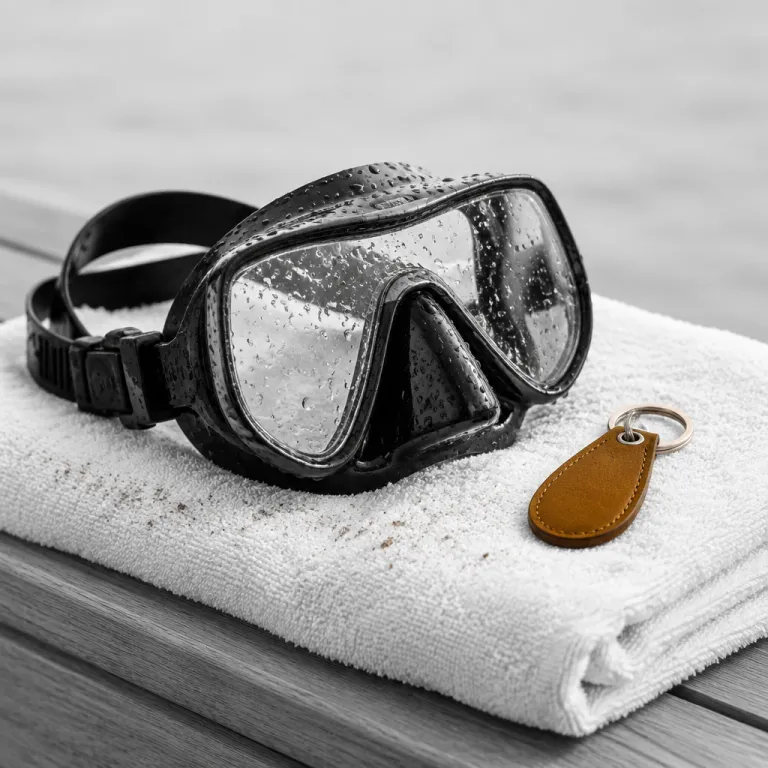
Why Bali is an elegant first step into scuba for hotel guests
Bali offers calm bays, clear water, and professional schools that make a first scuba dive feel reassuring rather than overwhelming. For guests staying in refined hotels, the island combines gentle entry-level diver training with spa-level comfort, so your first underwater experiences feel like part of a wider wellness retreat. Many travellers choose scuba diving in Bali for beginners because the marine life is rich yet the best introductory dive sites remain accessible, carefully managed, and supported by established operators such as Bali Scuba in Sanur, AquaMarine Diving in Seminyak, and Two Fish Divers in Amed.
The south and east coasts of Bali host several sheltered diving areas where a new scuba diver can complete an open water course over three or four days. These Bali scuba programs usually include pool sessions, theory, and shallow dives at easy dive sites such as Padang Bai, Amed, and Tulamben, which are all reachable as a relaxed day trip from major hotel areas. When you plan diving Bali experiences from your hotel, you can arrange private transfers, flexible schedules, and even in-room briefings that help you feel prepared before entering the water, with most reputable schools offering hotel pick-up in air-conditioned vehicles and providing all essential equipment.
For many hotel guests, the appeal of Bali diving lies in combining underwater adventure with refined dining, spa rituals, and quiet evenings by the pool. You might spend the day completing your final open water training dives, then return to your island hotel for a massage and a light dinner overlooking the sea. As one long-time Bali instructor explained to a new student, “We want you to feel as relaxed on the boat as you do in your hotel lobby,” a rhythm that suits beginner divers who want the excitement of scuba diving without sacrificing rest, privacy, and the sense of being carefully looked after between each dive.
Choosing the right Bali base: hotel locations for first time divers
Your hotel location in Bali will shape how easily you reach beginner-friendly dive sites and reputable schools. Many first-time scuba divers stay in Sanur, Nusa Dua, or Seminyak, then join organised day trips to Padang Bai, Amed, Tulamben, Nusa Penida, or even Menjangan Island in the north west. If you prefer shorter transfers, consider staying closer to the east coast, where Bali dive centres can bring you to sheltered sites in less than one hour and where traffic is usually lighter than around the southern resort strip.
Padang Bai is a small harbour town that offers varied dive sites suitable for both beginner divers and more experienced scuba divers travelling together. From a refined hotel in nearby Candidasa or in Padang Bai itself, you can complete an open water course while your partner enjoys snorkelling, spa treatments, or relaxed beach days. Before you pack, consult a detailed Bali packing list for women staying in refined hotels so your dive and resort wardrobe feels both practical and elegant, including a light wetsuit or rash guard, reef-safe sunscreen, and a compact dry bag for boat transfers.
Further along the coast, Amed and Tulamben offer shore diving where you can walk straight from the beach into clear water, which is ideal for early training dives. Hotels in these villages tend to be quieter, so your Bali diving days start with sunrise views of the island’s volcano and end with peaceful evenings listening to the sea. If you prefer to stay in the south but still enjoy these areas, many Bali scuba schools will organise a comfortable car transfer so you can experience these classic dive sites as a curated day trip, often leaving around 7:00 a.m. and returning by late afternoon.
Understanding Bali’s beginner friendly dive areas and seasonal rhythms
Different regions of Bali offer distinct underwater experiences, and choosing the right area matters for your first scuba diving course. The north west hosts Menjangan Island, known for gentle walls, clear water, and colourful marine life that suit beginner divers who want calm conditions. In the east, Padang Bai, Amed, and Tulamben provide sheltered bays and easy access to famous dive sites, while the Nusa islands offer more dramatic scenery that some new divers visit after gaining confidence and a few extra dives.
Nusa Penida and Nusa Lembongan sit just off the main island and are famous for manta rays at Manta Point and seasonal mola sightings near Crystal Bay. These dive sites can have stronger currents, so many instructors recommend that scuba divers complete their open water course in calmer Bali dive areas before planning a day trip to Nusa Penida. If you are staying in a refined hotel with a focus on wellness, you can time your dives around yoga classes and spa sessions, using resources such as a dedicated hotel guest guide to surf, yoga, and wellness by month to align weather, water conditions, and your preferred activities, especially during the generally drier April–October period.
Seasonality also influences visibility, water temperature, and the likelihood of seeing certain marine life around Bali. According to regional marine tourism summaries and data from the Indonesian Agency for Meteorology, Climatology and Geophysics (BMKG), dry season often brings more stable seas and visibility of 15–30 metres at popular sites, while transitional months can see occasional swell and rain. Cooler water around Nusa Penida can attract mola, while warmer periods often bring calmer seas that are ideal for beginner divers completing their first dives. When planning scuba diving in Bali for beginners, ask your chosen Bali diving centre to explain how the day’s tides, swell, and wind will affect each dive site, then let your hotel concierge help you adjust spa bookings and restaurant reservations around the best underwater windows.
From pool to open water: how a Bali hotel guest learns to dive
A typical open water course in Bali begins with a relaxed briefing at your hotel or at the dive centre, followed by shallow pool sessions. During these first hours, beginner divers learn how scuba equipment works, how to breathe calmly underwater, and how to handle simple skills such as mask clearing. Many Bali scuba schools that work closely with refined hotels schedule these sessions late in the morning, so you can enjoy an unhurried breakfast before your first dive, and they usually include full rental gear, tanks, and weights in the course price.
Once you feel comfortable in the pool, your instructor will guide you to sheltered dive sites such as those in Padang Bai, Amed, or Tulamben. These early open water dives usually stay within 12 metres, where light is strong and marine life is abundant yet non-intimidating, which helps new scuba divers relax and focus on buoyancy. Over several days, you complete four training dives, gradually exploring more of the underwater landscape while returning each afternoon to your island hotel for rest, spa treatments, or a quiet swim, with surface intervals of at least one hour between dives to support safe off-gassing.
After certification, many guests extend their stay to enjoy fun dives at slightly more adventurous locations, including selected Nusa Penida or Nusa Lembongan sites that remain suitable for new divers. A carefully chosen Bali dive operator will match each dive site to your comfort level, avoiding strong currents until your skills and confidence improve. If you plan to combine several diving Bali day trips with inland excursions, it is worth reviewing how a car rental with driver shapes your hotel budget, since private transport can make early morning departures and late returns far more comfortable and predictable than relying on ad hoc taxis.
Wellness focused hotels that pair yoga, surf, and scuba for beginners
Many refined hotels in Bali now curate integrated programs that combine yoga, gentle surf lessons, and scuba diving for guests taking their first underwater steps. You might start the day with a sunrise yoga class overlooking the water, then join a small group of beginner divers for an easy dive at a nearby site. After returning to the island and enjoying a light lunch, some guests choose an afternoon surf session, while others retreat to the spa for massages that ease post-dive fatigue and support recovery between training days.
Hotels in areas such as Sanur, Nusa Dua, and Canggu often partner with established Bali diving centres that understand how to pace activities for new scuba divers. These partnerships allow you to book multi-day packages where an open water course is woven into a broader wellness itinerary that includes meditation, nutritious menus, and restorative treatments. When combined thoughtfully, surf, yoga, and scuba diving in Bali for beginners create a balanced rhythm of exertion and recovery that suits travellers who value both fitness and comfort, while still keeping afternoons or evenings free for unstructured time.
On the offshore islands, some Nusa Lembongan and Nusa Penida properties also offer yoga decks with ocean views, making it easy to stretch before or after dives at sites such as Manta Point or Crystal Bay. While these areas are better known for manta rays and sometimes challenging conditions, a careful Bali dive operator can select gentler dive sites for newer divers on calm days. If your priority is a wellness retreat with occasional dives rather than a full Bali dive holiday, discuss your goals with both the hotel and the dive centre so they can tailor each day to your energy levels and experience, including the option of private guiding or shorter boat trips.
Planning your first Bali dive holiday: safety, logistics, and expectations
Thoughtful planning helps ensure that scuba diving in Bali for beginners feels safe, enjoyable, and aligned with your hotel stay. Start by choosing a Bali diving centre that is clearly licensed, maintains its equipment, and limits group sizes, especially at popular dive sites such as those around Padang Bai, Amed, Tulamben, Nusa Penida, and Menjangan Island. Ask how many dives per day they recommend for new scuba divers, whether they are affiliated with major agencies such as PADI or SSI, and whether they offer private guiding for guests who prefer extra attention.
Transport is another key element, since many of the best beginner-friendly dive sites sit one to three hours from major resort areas on the island. As a practical guide, transfers from Sanur to Padang Bai often take around 60 to 75 minutes, while drives to Amed or Tulamben can take two to three hours depending on traffic. Confirm whether your Bali dive package includes hotel pick-up, drinking water, lunch, and towels, so you can return to your room without logistical concerns after a long day trip, and ask how the operator stores and disinfects rental equipment between guests for hygiene and comfort.
Finally, set realistic expectations about what you will see underwater during your first dives in Bali. While manta rays and mola are iconic, they are not guaranteed on every dive, and beginner divers often gain more from slow, shallow dives focused on buoyancy and relaxed breathing. By treating your first Bali scuba experiences as the start of a longer relationship with the ocean rather than a checklist, you allow each dive site, each day on the water, and each quiet evening back at your hotel to become part of a richer island story. Follow standard medical guidance by avoiding diving if you have a cold or ear infection, and respect no-fly recommendations from agencies such as DAN and PADI, which generally advise waiting at least 18 hours after your final dive before boarding a flight.
Key figures for first time scuba divers in Bali
- Most international training agencies recommend a maximum depth of 18 metres for open water certified divers, which aligns well with many beginner-friendly Bali dive sites in Padang Bai, Amed, and Tulamben (standards referenced by PADI Open Water Diver and SSI Open Water Diver course outlines).
- Typical visibility at popular Bali diving locations ranges from 10 to 30 metres, with clearer water often found around Menjangan Island and the Nusa islands during dry season months (reported by regional dive operators and Bali marine tourism board summaries, supported by BMKG coastal condition reports).
- Water temperatures around Bali usually sit between 26 and 29 degrees Celsius, although currents near Nusa Penida and Crystal Bay can drop temperatures to around 20 degrees Celsius during mola season (documented by local dive centres and regional oceanographic surveys from Indonesian marine research institutes).
- Standard open water courses in Bali generally take three to four days to complete, including four training dives and theory sessions, which fits comfortably into a one-week hotel stay that also includes rest days (based on common schedules from major Bali scuba schools and PADI/SSI course descriptions).
- Group sizes for beginner divers are often limited to a maximum of four students per instructor in reputable Bali dive centres, which improves safety and personal attention compared with larger groups (guidelines promoted by leading international dive training agencies and adopted by many local operators).
FAQ about scuba diving in Bali for beginners staying in hotels
Is Bali a good place for my very first scuba course
Bali is well suited to a first open water course because it offers sheltered bays, experienced instructors, and a wide range of beginner-friendly dive sites. Areas such as Padang Bai, Amed, Tulamben, and Menjangan Island provide calm conditions and rich marine life that help new scuba divers feel comfortable. Many hotels also have established partnerships with Bali diving centres, which simplifies logistics and ensures reliable daily transfers, with typical entry-level course prices ranging from mid-range to premium depending on class size and hotel services.
Which Bali areas are best for beginner divers staying in refined hotels
Guests who want both comfort and easy access to diving often choose Sanur, Nusa Dua, or Seminyak as bases, then join day trips to Padang Bai, Amed, and Tulamben. Those who prefer quieter surroundings sometimes stay directly in Amed or near Padang Bai, where transfers to the dive sites are very short. For more advanced day trips after certification, you can visit Nusa Penida or Nusa Lembongan from these same hotel areas, usually as a full-day boat excursion with two or three guided dives.
Can I see manta rays or mola during my first Bali dives
Manta rays are commonly seen at Manta Point near Nusa Penida, and some new divers visit this dive site once they feel confident in the water. Mola sightings near Crystal Bay are more seasonal and often involve cooler water and stronger currents, so they are usually recommended for slightly more experienced scuba divers. For your first dives, it is wiser to focus on calm Bali dive sites where you can refine buoyancy and enjoy colourful reef life, then plan manta or mola trips later in your holiday or on a future visit.
How many days should I plan in Bali for an open water course
Most open water courses in Bali require at least three full days, and many guests prefer four to allow a more relaxed pace. With a one-week hotel stay, you can complete the course, add one or two extra fun dives, and still enjoy rest days by the pool or on inland excursions. This schedule keeps scuba diving in Bali for beginners enjoyable rather than rushed, and it leaves enough time for a no-dive day before flying home.
Do I need to be very fit to start scuba diving in Bali
You do not need to be an athlete, but you should be in generally good health and comfortable in the water. A basic level of fitness helps you manage equipment, climb boat ladders, and enjoy multiple dives in a day without excessive fatigue. If you combine your Bali scuba plans with gentle yoga or wellness programs at your hotel, you may find that your flexibility, breathing, and overall comfort underwater improve naturally, and you should always complete the standard medical questionnaire honestly and consult a doctor if you have any pre-existing conditions.