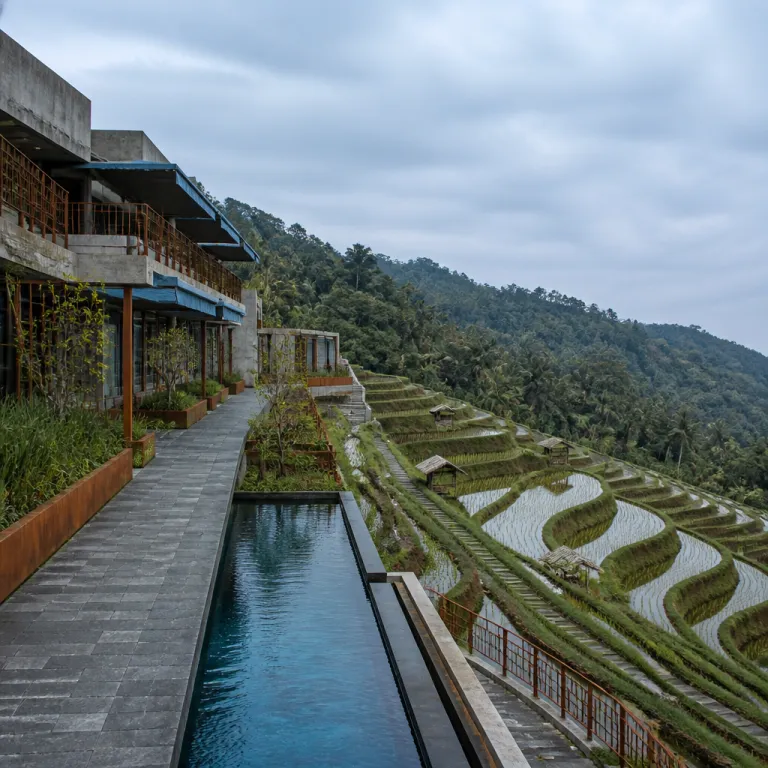
Choosing a hotel near the best Bali rice terraces to visit
Where you stay in Bali Indonesia will quietly shape every rice terrace experience. If you want easy access to the best Bali rice terraces to visit, base yourself within a short drive of Ubud, Sidemen, Munduk, or Jatiluwih because these hubs sit beside the island’s most photogenic rice fields. For travellers comparing hotels, think first about how much time you plan to spend in the rice paddies rather than only looking at beaches, shopping, or nightlife.
Ubud remains the most practical base for a first stay focused on rice terraces. From a hotel in central Ubud you can reach the famous Tegallalang rice terraces, the quieter rice fields around Gunung Kawi, and several hidden rice paddies on foot or by short taxi rides, which makes a pre‑dawn or early morning start far easier. If you prefer a slower rhythm and fewer crowds, a hotel in Sidemen or Munduk will place you directly among terraces Bali is known for, with valley views that feel almost private and village life unfolding below.
When you compare properties, ask how long it will take to reach a specific rice field at sunrise. A hotel that offers early breakfast, flexible check‑out, luggage storage, and help arranging a day trip with a driver will make it simpler to visit more than one rice terrace in a single day. In Ubud, for example, many guests book local drivers such as Made or Wayan through their hotel reception for half‑day circuits that start before dawn, typically costing the equivalent of USD 25–40 depending on distance. For guests who plan to use a drone, confirm that your hotel can advise on local rules, no‑fly zones, and respectful flying times so your aerial shots of Bali rice landscapes do not disturb nearby villages.
Ubud and Tegallalang rice terraces for first‑time visitors
For many travellers, Ubud is the natural starting point when deciding where to see the best Bali rice terraces to visit. The town sits at the cultural heart of Bali Indonesia and offers a dense choice of hotels, restaurants, yoga studios, and drivers, while still being surrounded by green rice fields and traditional Balinese villages. From here, the famous Tegallalang rice terraces lie roughly 20–30 minutes north by car, which makes them ideal for a short sunrise outing before the day heats up.
The Tegallalang rice terraces form a steep amphitheatre of layered rice paddies, carved by generations of farmers using the subak irrigation system that channels water from nearby rivers. Because Tegallalang is so popular, the best time visit is early morning, when the light is soft, the air is cool, and the crowds have not yet filled the narrow paths between each rice terrace. You will usually pay a modest entrance fee at several viewpoints, plus optional small donations to farmers if you walk deeper into the rice fields, take photos on swings, or use photo platforms; typical combined costs are often in the low single‑digit dollar range per person.
Many hotels in Ubud can arrange a private car for a half‑day trip that combines Tegallalang rice views with a stop at Gunung Kawi, where ancient shrines rise above another lush rice field. Boutique stays such as Alaya Resort Ubud, Bisma Eight, or Komaneka at Bisma often work with regular drivers who know the quietest access points and typical sunrise timings. If you enjoy photography, ask your driver to pause at roadside terraces Bali hides between Ubud and Tegallalang, because these smaller rice fields often provide the best rice reflections without crowds. Guests who plan to fly a drone should check local signs, follow height limits, and always ask farmers before launching above any rice paddies, as some areas now restrict flights during busy hours.
Jatiluwih rice terraces and Munduk for immersive landscape stays
Travellers who want a deeper connection with Bali rice culture should consider staying near Jatiluwih or Munduk instead of remaining only in Ubud. Jatiluwih rice terraces stretch across a broad sweep of hillside in Tabanan, forming one of the largest continuous rice fields in Bali Indonesia and earning recognition as a UNESCO World Heritage landscape. Hotels here are fewer but often sit directly above the rice paddies, so you will wake to mist lifting from each rice terrace rather than traffic noise and busy streets.
The best time visit Jatiluwih is again early morning, when the contours of every terrace glow in low sunlight and the air feels almost cold compared with the coast. A small entrance fee supports maintenance of the subak irrigation channels and walking paths, and you can choose between several marked trails that range from a gentle 45‑minute walk to longer circuits of two to three hours through the rice fields. Many guests combine Jatiluwih rice views with a day trip to Munduk, where cooler mountain air and waterfalls complement the green terraces Bali hides on its northern slopes.
Munduk itself offers a handful of hillside hotels with sweeping views over coffee plantations and distant rice paddies. Simple guesthouses sit beside more polished retreats such as Munduk Moding Plantation or Sanak Retreat Bali, where staff can arrange guided walks that pass through village rice fields, clove trees, and forest, giving a broader sense of how Balinese farmers balance rice terrace cultivation with other crops such as cocoa and vegetables. If you travel with a drone, this region offers great aerial perspectives, but always keep distance from homes and temples, and avoid flying during ceremonies when the sound would be unwelcome.
Sidemen and east Bali for quieter rice terrace escapes
East Bali appeals to travellers who prefer calm valleys and traditional life over busy markets and nightlife. The Sidemen area in particular has become a favourite for guests who want to see the best Bali rice terraces to visit without the crowds of Tegallalang, while still enjoying comfortable hotels and attentive service. Here, rice fields spill down gentle hillsides with Mount Agung often visible in the distance, creating a beautiful backdrop for slow mornings and unhurried walks.
Many Sidemen hotels sit directly beside a rice field or river, so you can step from your room onto a narrow path that winds through rice paddies within minutes. Intimate stays such as Wapa di Ume Sidemen, Samanvaya Luxury Resort, or Cepik Villa place you among working fields rather than in a busy town centre. The best things to do here are simple: take a guided walk with a local farmer at early morning, learn how subak irrigation channels are opened and closed, and pause to watch women carrying offerings along the edges of each rice terrace. Because this region is less commercial, there is usually no formal entrance fee for the rice fields, but small tips to guides and farmers are appreciated and help sustain the community.
From Sidemen, you can plan a day trip deeper into east Bali, combining rice fields with temples and coastal villages. Drivers often suggest routes that link Sidemen rice terraces with lesser‑known valleys or with viewpoints over terraces Bali hides near the road to Amed, giving you a varied picture of rural life. If you enjoy photography, the soft side‑light in late afternoon can be as great as sunrise, especially when clouds gather around the mountain and reflect in the flooded rice paddies.
Planning your rice terrace days from any Bali hotel
Once you have chosen a hotel, the next step is to plan how each day will unfold around the rice terraces you most want to see. For many guests, the best Bali rice terraces to visit can be comfortably explored in a series of half‑day or full‑day excursions, leaving time to relax by the pool or enjoy spa treatments in the afternoon. Work with your concierge or driver to group nearby rice fields together, so you avoid backtracking, long hours in traffic, and rushed visits.
A classic itinerary from Ubud might start with Tegallalang rice at dawn, continue to quieter rice paddies near Gunung Kawi, then finish with a late breakfast back at your hotel. Another day trip could focus on Jatiluwih rice terraces, allowing several hours for a long walk through the rice fields before returning via scenic backroads lined with smaller terraces Bali keeps away from the main highway. From Sidemen or Munduk, your hotel can suggest village walks that pass multiple rice terrace viewpoints in a single loop, which is often the best way to feel the rhythm of Balinese farming life.
Always ask your hotel about the current planting cycle, because the best rice views depend on whether the rice field is flooded, bright green, or ready for harvest. If you plan to use a drone, schedule flights for times when paths are quiet, and never fly directly above people working in the rice fields. Carry cash for entrance fee payments, parking, and small donations, as card facilities are rare around rural rice terraces in Bali Indonesia. Typical entrance fees at major sites are modest and usually fall within a low single‑digit dollar equivalent per person, with extra charges only for parking or optional swings and photo spots.
Respecting Balinese culture and the subak irrigation heritage
Every rice terrace you admire in Bali is part of a living cultural system rather than a simple viewpoint for travel photos. The subak irrigation networks that feed Bali rice paddies are managed collectively by farmers and temples, and this cooperation is one reason the best Bali rice terraces to visit remain so productive and visually striking. When you choose a hotel and plan your routes, favour operators who respect this heritage, limit waste, and work closely with local communities.
During your walk through any rice fields, stay on established paths and avoid stepping on the narrow mud walls that separate each rice field, because these ridges protect the subak irrigation channels. Dress modestly when passing shrines or temples beside the rice terraces, and remember that drones, loud music, or shouting can disturb both ceremonies and daily work. Simple gestures such as greeting farmers, asking before taking close‑up portraits, and accepting that some areas are off‑limits will help keep terraces Bali residents depend on both sacred and sustainable.
Local tourism boards emphasise that Bali's rice terraces are iconic landscapes, and they highlight goals such as promoting sustainable tourism, supporting local communities, and preserving cultural heritage. Official guidance also notes that the top rice terraces to visit in Bali answer three main objectives: experience Bali's natural beauty, learn about traditional rice farming, and enjoy photography opportunities. Practical advice from local authorities is clear too: wear comfortable shoes, bring sun protection and water, and respect local customs whenever you enter or cross a rice terrace area.
Key figures about Bali rice terraces and visitor patterns
- Visitor numbers at the Tegallalang Rice Terraces near Ubud are high throughout the year, according to the Bali Tourism Board and other regional tourism updates, which explains why an early morning arrival is essential for a quieter walk.
- Jatiluwih rice terraces cover a broad area in Tabanan Regency and are recognised by UNESCO as part of Bali’s Cultural Landscape, making this area one of the most extensive continuous rice fields in Bali Indonesia and ideal for long hiking routes.
- Sidemen rice terraces sit in a valley in east Bali with a slightly cooler feel than the coast, which many travellers find comfortable for extended walks.
- Local tourism information notes that Bali's rice terraces can be visited year‑round, but they state that the best time to visit Bali's rice terraces is early mornings during the dry season, when paths are less slippery and views are clearer.
- Authorities also confirm that there are entrance fees for some of the most famous rice terraces, and they clarify that yes, modest fees apply at some sites, with funds used to maintain paths, support local subak irrigation groups, and improve visitor facilities.
FAQ about the best Bali rice terraces to visit
What is the best time to visit Bali's rice terraces ?
Local guidance states: what is the best time to visit Bali's rice terraces ? The answer is simple and consistent across regions, because early mornings during the dry season offer the most comfortable temperatures, softer light, and fewer crowds on narrow rice terrace paths. Hotels in Ubud, Sidemen, Munduk, and Jatiluwih can arrange early breakfasts or takeaway options so you can reach the rice fields before the main day trip traffic arrives.
Are there entrance fees for the main rice terraces ?
Yes, modest entrance fees apply at several of the best Bali rice terraces to visit, including Tegallalang rice terraces and Jatiluwih rice terraces. These fees help maintain walking tracks, signage, and subak irrigation structures, and they also provide income for local communities who manage the rice fields. In quieter areas such as Sidemen or some east Bali valleys, there may be no formal entrance fee, but small donations to guides and farmers are appreciated.
Can I hire a guide at the rice terraces or through my hotel ?
Travellers can hire local guides directly at major rice terraces, and many hotels in Bali Indonesia can also pre‑arrange guided walks. Official information confirms this clearly: can I hire a guide at the rice terraces ? The answer is yes, local guides are available, and they can explain Balinese farming practices, subak irrigation rituals, and the planting calendar that shapes each rice field you see.
Is it better to stay in Ubud, Sidemen, Munduk, or Jatiluwih for rice terrace views ?
Ubud offers the widest hotel choice and easiest access to Tegallalang rice terraces and nearby rice paddies, which suits first‑time visitors who also want cafés, markets, and cultural performances. Sidemen and east Bali provide quieter rice fields and valley views, ideal for guests seeking calm and longer walks directly from their terrace‑side hotels. Munduk and Jatiluwih are best for cooler air, expansive landscapes, and multi‑hour hikes through some of the most extensive terraces Bali has preserved.
Can I use a drone over Bali's rice fields ?
Drone use is possible in some rice terrace areas, but you must follow Indonesian aviation rules and respect local customs. Always ask farmers or guides before flying above any rice field, avoid temples and ceremonies, and keep a safe distance from people working in the rice paddies. Many hotels familiar with the best Bali rice terraces to visit can advise on suitable locations and times so your drone photography does not disturb the Balinese communities who depend on these landscapes.
Sources
- Bali Tourism Board
- UNESCO World Heritage Centre
- Official regional tourism offices in Bali