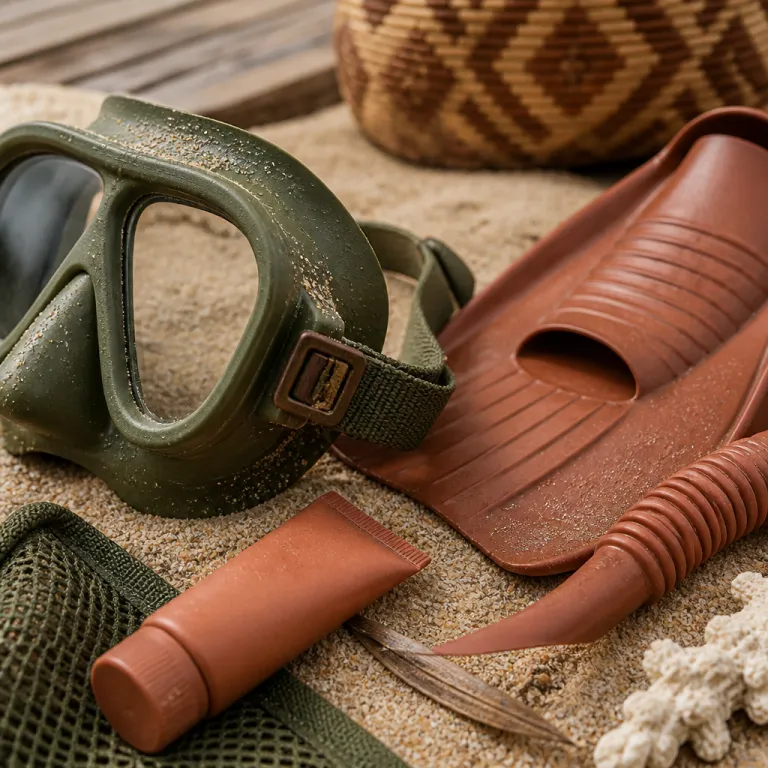
How to match your Bali hotel with beginner friendly snorkeling
Choosing where to stay in Bali shapes how easily you reach calm snorkeling spots. For first timers who want gentle Bali snorkeling for beginners, it makes sense to pair your hotel with sheltered bays and short transfers rather than long boat rides. Around the island, average water temperature sits near 28 °C, according to sea surface data from Indonesia’s Meteorology, Climatology, and Geophysical Agency (BMKG) and the Coral Triangle Initiative, so you can plan a snorkeling trip in almost any season without worrying about cold sea conditions.
If you prefer resort comfort and minimal travel, areas near Nusa Dua, Padang Bai, and Sanur place you close to some of the best snorkeling for beginners in Bali. These coastal zones offer sandy beach entries, gentle water movement, and quick access to coral reefs where marine life is vibrant yet conditions remain forgiving for new snorkelers. When you book, ask whether the hotel can arrange a guided tour, provide snorkel gear, or connect you with local partners who specialise in snorkel Bali excursions and snorkeling spots suitable for children or nervous swimmers.
Travellers who want a quieter atmosphere often look to Amed or resorts that organise day trips to Nusa Penida, Nusa Lembongan, or Menjangan Island. In these regions you can still enjoy Bali snorkeling with professional guides, but you will usually travel by car or boat from your hotel to reach the most sheltered bay or reef. Decide whether you want to step from your room almost directly onto a beach with easy snorkeling spots, or whether you are comfortable with a longer tour that rewards you with some of the best coral reefs in Bali and more dramatic underwater scenery.
Blue Lagoon and Padang Bai: soft sand and sheltered coral gardens
On the east coast of Bali, Padang Bai is one of the most reliable Bali snorkeling spots for beginners, especially around the small cove known as Blue Lagoon. The bay is naturally protected, so the water usually stays calm, visibility is good, and you can enter directly from the beach without worrying about strong sea currents. From Kuta, Seminyak, or Sanur, the drive to Padang Bai typically takes 60–90 minutes in normal traffic, making it realistic as a relaxed half day snorkeling trip that still leaves time to enjoy your pool in the afternoon.
Blue Lagoon’s shallow reef begins just a few metres from shore, which means you can float above coral gardens without needing to swim far into deeper water. Expect to see colourful reef fish, patches of soft coral, and sandy channels that make orientation easy for first time snorkelers who are still adjusting their mask and breathing. Many local operators in Padang Bai, including family run outfits and PADI affiliated dive centres, offer combined tour packages that include transport from your hotel, snorkel gear, life jackets, and a guide who knows the safest snorkeling spots and the day’s best entry point depending on tides.
Because this cove is so accessible, it is ideal for families who want to introduce children to snorkeling in Bali in a controlled environment. Hotels in south Bali often promote Blue Lagoon as one of the best options for Bali snorkeling when you want a gentle introduction before attempting more adventurous reefs around Nusa Penida or Amed. If you are comparing spots Bali wide, keep in mind that Padang Bai and its Blue Lagoon bay provide a rare combination of easy beach access, consistent marine life, and short travel time from many of the island’s main resort districts.
Nusa Dua and south Bali: easy lagoon style snorkeling from resort beaches
For travellers who prefer to stay in full service resorts, Nusa Dua offers some of the most convenient Bali snorkeling spots for beginners directly in front of major hotels. The coastline here is protected by an offshore reef, creating a broad lagoon where the water stays relatively calm and shallow at mid to high tide. You can often walk from your room to the beach, wade into waist deep water, and start exploring small coral patches without needing a boat tour.
While Nusa Dua does not have the most dramatic coral reefs in Bali, it is a comfortable training ground where you can practise snorkeling skills before booking a more ambitious snorkeling trip. Many hotels maintain relationships with local water sports centres that rent snorkel gear, provide life jackets, and organise short guided sessions for guests who are new to the sea. This makes Nusa Dua one of the best Bali choices if you value safety, easy logistics, and the reassurance of lifeguards and structured snorkeling Bali activities close to your sun lounger.
From Nusa Dua, it is also straightforward to arrange day excursions to other beginner friendly snorkeling spots such as Padang Bai or the quieter sections of the Sanur reef. Hotel concierges can help you compare options, from simple shore entry sessions to half day boat tours that visit several reefs and bays. When you evaluate different spots Bali wide, consider starting with a calm morning in the Nusa Dua lagoon, then progressing to more varied marine life in other parts of the island once you feel confident with your mask, fins, and breathing rhythm.
Amed and Menjangan Island: gentle drift over classic Bali coral reefs
The fishing village of Amed on Bali’s northeast coast has evolved into a relaxed base for travellers who want easy access to coral reefs without the crowds of the south. Here, many small hotels sit directly above narrow strips of black sand beach, where you can step into clear water and reach thriving coral within a few fin kicks. From Kuta or Seminyak, the road journey to Amed usually takes around three hours, so it works best as an overnight stay for confident beginners who have already tried Bali snorkeling in sheltered bays and now want a natural next step with slightly deeper underwater scenery but still manageable conditions.
Several sections of the Amed coastline feature gentle slopes rather than steep drop offs, so you can hover above coral reefs at comfortable depths while watching marine life move between bommies and sandy patches. Local guides know which snorkeling spots are best for the day’s wind and swell, and they can lead you on short boat rides to quieter reef sections if the beach in front of your hotel feels busy. This flexibility makes Amed one of the best Bali regions for combining relaxed village life with accessible snorkeling Bali experiences that suit both new and intermediate snorkelers.
Farther northwest, Menjangan Island sits inside a protected marine area and is widely regarded as one of the best snorkeling destinations in Bali. While some walls here drop into deeper blue water, guides choose sections where currents are mild and the top of the reef lies in the first few metres, ideal for Bali snorkeling spots for beginners who are ready for a full day tour. Hotels in Pemuteran and the north coast can arrange boat transfers, snorkel gear, and lunch, and many work with conservation focused groups such as Reef Check Indonesia and local community reef monitoring teams, turning Menjangan Island into a memorable yet still beginner friendly snorkeling trip that contrasts beautifully with the busier south of the island.
Nusa Penida, Nusa Lembongan and Crystal Bay: choosing the right tour as a beginner
The islands of Nusa Penida and Nusa Lembongan, just off the southeast coast of Bali, are famous for clear water and dramatic cliffs, but conditions vary significantly between bays. Many travellers are drawn by images of manta rays gliding through the sea, especially around the well known manta sites off Nusa Penida. While these encounters can be extraordinary, they are not always ideal for first time snorkelers, so it is important to choose your snorkeling trip carefully and communicate your comfort level to the operator.
Crystal Bay on Nusa Penida is often promoted as one of the best snorkeling locations in the region, and in calm weather it can suit confident beginners who already have some experience in easier Bali snorkeling spots for beginners. The bay offers a sandy beach entry, clear water, and coral reefs that begin relatively close to shore, but currents can strengthen outside the protected area, so staying near your guide is essential. Sea conditions around Nusa Penida are generally calmer in the drier months from April to October, yet strong swells and tidal currents can still appear suddenly, so when booking from your Bali hotel, ask specifically for a tour that focuses on sheltered snorkeling spots rather than advanced drift sites, and confirm that life jackets and surface support are included.
Nusa Lembongan tends to offer slightly gentler conditions, with several snorkeling spots in channels and bays where coral gardens rise close to the surface. Many operators based on the island and in south Bali run combined tours that visit both Nusa Lembongan and nearby reefs, tailoring the route to the day’s marine conditions. If you are staying in Sanur, Nusa Dua, or another southern resort area, this can be an excellent way to experience the islands while still prioritising safety, calm water, and the kind of underwater visibility that makes Bali snorkeling truly memorable for beginners.
Safety, sustainability and practical tips for hotel based snorkelers
Planning Bali snorkeling spots for beginners from your hotel involves more than simply choosing a pretty bay on a map. Calm water, clear communication with guides, and basic preparation will determine whether your first experience with snorkeling in Bali feels relaxed or stressful. Before you leave your room, check the day’s weather and sea forecast, wear a rashguard, and apply reef safe sunscreen so you can focus on marine life rather than sunburn or discomfort.
Local experts emphasise that Bali offers calm waters and rich marine life, and they encourage visitors to promote safe snorkeling and marine appreciation by following simple guidelines such as wearing reef safe sunscreen, using a rashguard, and checking weather conditions before entering the sea. Many hotels now work with responsible operators who limit group sizes, provide life jackets, and brief guests on how to avoid touching coral reefs or chasing manta rays and turtles. When you compare tour options at your hotel desk, prioritise companies that mention conservation, respect for marine life, and clear safety procedures for both shore entry and boat based snorkeling spots.
From a practical perspective, you do not need to bring your own snorkel gear because equipment rentals are widely available near most major snorkeling spots in Bali. Guided snorkeling tours operate year round at locations such as Blue Lagoon, Nusa Dua, and Menjangan Island, so you can usually find a suitable tour regardless of when you book your hotel. By combining thoughtful hotel selection with informed choices about which bay, reef, or island to visit, and by favouring operators who support local reef restoration and beach clean up programs run by village groups and NGOs, you can enjoy the best Bali experiences in the water while supporting eco friendly tourism and ensuring that both beginners and more experienced guests leave the sea feeling confident and inspired.
Key figures for gentle snorkeling in Bali
- Average water temperature around Bali’s main snorkeling reefs is approximately 28 °C, which allows beginners to snorkel comfortably without a wetsuit during most months, according to regional tourism data and BMKG sea surface temperature records.
- At least 10 primary snorkeling locations across Bali are regularly promoted as suitable for new snorkelers, including Blue Lagoon, Nusa Dua, Amed, Menjangan Island, and several bays around Nusa Penida and Nusa Lembongan.
- Guided snorkeling tours operate year round at key sites such as Blue Lagoon, Nusa Dua, and Menjangan Island, giving hotel guests consistent access to calm bays and protected coral reefs regardless of season.
- Many beginner friendly sites such as Padang Bai and Nusa Dua offer shore entries where coral begins within the first 5 to 20 metres from the beach, reducing the need for strong swimming skills.
FAQ: Bali snorkeling spots for beginners
Is snorkeling safe for beginners in Bali ?
Yes, many areas of Bali offer sheltered bays, gentle water movement, and guided tours that make snorkeling safe for beginners when you follow instructions and choose appropriate locations. Calm sites such as Blue Lagoon, Nusa Dua, and selected sections of Amed are particularly suitable for first time snorkelers. Always listen to your guide, wear a life jacket if you are not a confident swimmer, and avoid entering the sea in rough conditions.
Do I need to bring my own snorkeling gear to Bali ?
You do not need to bring your own equipment because snorkel sets, fins, and life jackets are widely available for rent near major snorkeling spots and through hotel partners. Some higher end resorts include basic gear for guests, while day tour operators usually provide everything in the package price. If you prefer a personal fit, you may still choose to bring your own mask and snorkel, then combine them with rental fins at the beach or on the boat.
Are there guided snorkeling tours suitable for hotel guests ?
Numerous operators across Bali offer guided snorkeling tours that collect guests directly from hotels in areas such as Nusa Dua, Sanur, Ubud, and Seminyak. These tours typically include transport, equipment, a local guide, and visits to beginner friendly reefs like Blue Lagoon, Menjangan Island, or sheltered bays around Nusa Penida and Nusa Lembongan. Booking through your hotel concierge can help ensure that the operator is reputable and that the chosen sites match your experience level.
Which Bali areas are best for first time snorkelers booking a hotel ?
For maximum convenience, Nusa Dua and Sanur provide easy lagoon style snorkeling close to many hotels, while Padang Bai and Blue Lagoon are excellent for day trips from central or south Bali. Travellers who prefer a quieter atmosphere often choose Amed or the north coast, then arrange guided excursions to nearby coral reefs or Menjangan Island. If you want to visit Nusa Penida or Nusa Lembongan, look for tours that focus on sheltered bays such as Crystal Bay and avoid stronger current sites until you gain more experience.
How can I protect coral reefs and marine life while snorkeling in Bali ?
To protect coral reefs and marine life, avoid standing on or touching coral, keep a respectful distance from manta rays and turtles, and never feed fish or collect shells. Use reef safe sunscreen, wear a rashguard to reduce chemical impact on the water, and follow all guidance from your snorkeling Bali operator. Choosing eco conscious tours and hotels that support conservation helps ensure that Bali’s underwater environments remain healthy for future visitors and local communities.