Choosing where to stay in Ubud, Bali for effortless access to the best things to do
Staying in central Ubud places you within walking distance of many of the best things to do. From a hotel near Ubud Palace you can easily visit the main temple complexes, the art market, and several refined restaurants in a single day. This central location also shortens every tour and day trip, which matters when you want a calm, elegant stay rather than long hours in traffic.
For travellers focused on nature and rice terraces, a property north of town along the road to Tegallalang rice terraces offers quieter surroundings. Here you wake to views of rice fields and hear only water flowing through the traditional Balinese irrigation channels, yet you can still book a car or local guide to reach the centre in about fifteen to twenty minutes depending on traffic. These places balance serenity with access, so you can enjoy both rural rice terrace scenery and the cultural things Ubud is famous for.
If you prioritise wellness and yoga, consider staying near the southern edge of Ubud where many studios and retreat centres cluster. This area gives quick access to the Campuhan ridge walk at sunrise, while still keeping you close enough to visit Ubud art museums or the monkey forest in the afternoon. When you book, ask the hotel for a concise guide Ubud style, listing their preferred tour partners, entrance fee estimates in Indonesian rupiah, and the best things to do within a short walk; some refined properties even include a small printed map with shaded shortcuts and quiet back lanes.
Cultural heart of Ubud: palaces, temples, and traditional Balinese performances
Any refined itinerary built around ubud bali things to do should begin at Ubud Palace, the royal compound in the town centre. The palace courtyard hosts traditional Balinese dance performances most evenings, which makes it one of the best places to experience local culture without leaving the main area. From many nearby hotels you can walk to the palace in under ten minutes, then return easily after the show.
Across the road, the Ubud art market offers a dense concentration of textiles, carvings, and paintings that reflect both classical and contemporary ubud art. Arrive early in the day to avoid crowds, then continue your walk to Saraswati temple, a graceful water temple framed by lotus ponds that feels surprisingly tranquil despite its central location. Some parts of these temple complexes may request a small entrance fee, often around IDR 20,000–50,000 per person, so carry modest cash and a sarong or scarf to respect dress codes.
Beyond the centre, Goa Gajah, also known as the Elephant Cave, provides a deeper historical experience within a short drive from most hotels. This temple site combines a carved cave entrance, bathing pools fed by clear water, and moss covered stonework that rewards an unhurried visit. When you book a private tour or car for the day, ask your local driver to combine Goa Gajah, Tirta Empul water temple, and Ubud Palace so you see how different Balinese religious spaces shape daily life; one driver described this route as “a simple way to understand our island in one day,” especially when timed to avoid midday heat.
Nature and rice terraces: elegant ways to enjoy Ubud’s landscapes
Many travellers choose Ubud, Bali specifically for its rice terraces and gentle landscapes, which pair beautifully with a calm hotel stay. The Tegallalang rice terraces north of town are among the best known, with layered rice fields stepping down the valley and traditional Balinese farmers tending the crops. Arrive early in the day to enjoy softer light, cooler air, and fewer tour buses at this famous rice terrace viewpoint.
For a quieter experience, ask your hotel or local guide about lesser known rice fields closer to central Ubud, where you can walk narrow paths between paddies without crowds. One popular local suggestion is a late afternoon stroll on the Sari Organik path, which threads through working rice fields and small cafés. These walks reveal how water from upland springs is channelled through the subak irrigation system, feeding each rice field in turn and sustaining village life, and many refined hotels now offer a short guided walk through nearby rice terraces as part of their in house experience.
One of the best things for guests who enjoy gentle exercise is the Campuhan ridge walk, a paved path that follows a narrow ridge between two river valleys. Start just after sunrise, when temperatures are still mild and the light over the rice fields is soft, then return to your hotel for a late breakfast. If you plan a longer day trip that includes both the ridge walk and Tegallalang rice terraces, ask your guide Ubud based driver to time each stop to avoid the midday heat and to suggest a shaded café for a mid morning pause; many recommend stopping for fresh coconut water before heading back.
Waterfalls, sacred water, and soft adventure around Ubud
Beyond rice terraces and temples, many refined travellers now include at least one waterfall or sacred water experience in their list of ubud bali things to do. Tegenungan waterfall, the closest major waterfall to Ubud, offers a dramatic curtain of water with relatively easy access and facilities suitable for a comfortable visit. Arrive early in the day to enjoy cooler air and fewer crowds, then return to your hotel before the heat builds.
For a calmer atmosphere, Tibumana waterfall lies a little farther from central Ubud but rewards the extra drive with a more intimate setting. The short walk from the parking area follows a shaded path beside a stream, and the final view of the waterfall framed by jungle feels almost theatrical. When you book a private tour, ask your local driver to combine Tibumana with a stop at a nearby rice terrace or village temple so the day feels varied rather than rushed.
Tirta Empul, one of Bali’s most important water temples, offers a different kind of water based experience centred on purification rituals. Here, clear spring water feeds a series of stone spouts where Balinese worshippers and visitors queue to bathe, each spout representing a specific blessing or intention. If you choose to participate, your guide Ubud based or hotel concierge can explain the traditional Balinese etiquette, the modest entrance fee, and the correct order of the spouts so the experience remains respectful and meaningful; many guests find it helpful to observe one full cycle before entering the water.
Wellness, slow travel, and refined daily rhythms in Ubud
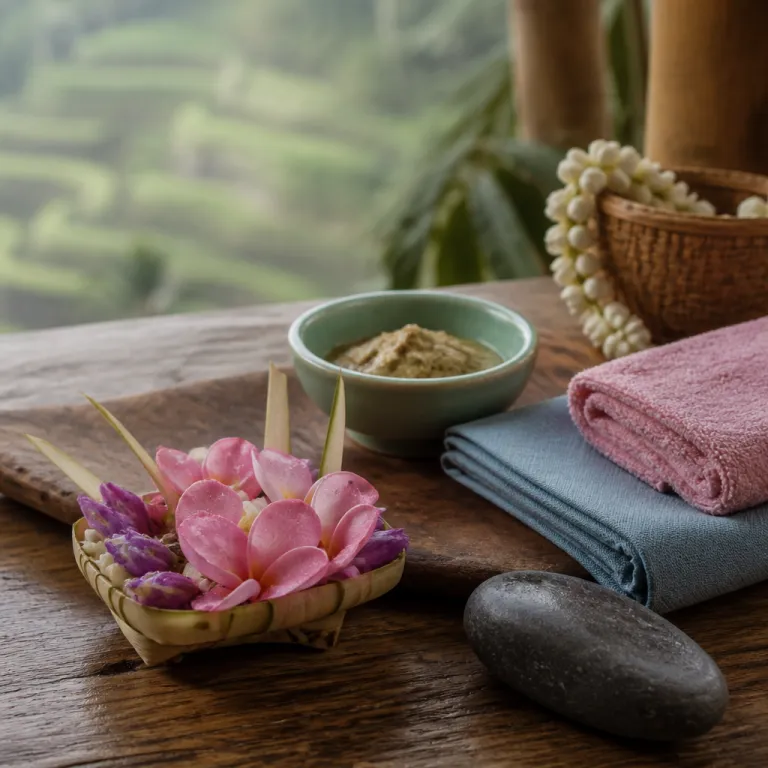
Ubud has become a leading centre for wellness in Bali, and many hotels now design their services around guests who prefer slow travel. A typical day might begin with a gentle yoga class, followed by a light breakfast featuring local rice dishes and tropical fruit on a terrace overlooking rice fields. Later in the morning you could book a short tour to a nearby temple or art museum, returning in time for a spa treatment before sunset.
Centres such as Yoga Barn offer a wide range of classes, from restorative sessions to more dynamic practices, which pair well with a refined hotel that provides quiet rooms and healthy menus. Many properties now collaborate with local wellness practitioners, so your concierge can arrange private sessions, a personalised guide Ubud style walking route, or even a half day trip to a waterfall for cold water immersion; early evening yin or restorative classes are often recommended for jet lagged guests. These experiences allow you to enjoy the best things in Ubud without feeling that your schedule is crowded or rushed.
Evenings lend themselves to unhurried walks through the centre of Ubud Bali, perhaps pausing at Ubud Palace for a dance performance or exploring the art market as vendors wind down. Some guests prefer to end the day with a traditional Balinese massage in their room, using local oils that carry the scent of lemongrass or frangipani. By alternating active days that include a ridge walk, temple visit, or waterfall tour with quieter days focused on spa and pool time, you create a balanced experience that suits a refined stay.
Planning refined day trips: from Mount Batur sunrise to Ubud art museums
While Ubud itself offers many things, some of the best experiences come from carefully planned day trips that start and end at your hotel. A sunrise excursion to Mount Batur is one of the classic ubud bali things to do, especially for guests who enjoy soft adventure balanced with comfort. Most hotels can book a private car and local guide so you reach the trailhead in time, then return to Ubud Bali for a late breakfast and a restful afternoon by the pool.
For culture focused travellers, a curated circuit of Ubud art museums can fill a rewarding day without long drives. Institutions such as Museum Puri Lukisan, ARMA, and the Blanco Renaissance Museum hold strong collections of Balinese and Indonesian painting, each offering a different perspective on how artists interpret rice fields, temple life, and palace ceremonies. You can easily visit two or three of these places in one day, with a leisurely lunch in between, and still be back at your hotel well before evening.
When planning any day trip, ask your concierge for precise information about each entrance fee, expected walking time, and the best time of day to visit. Many refined hotels maintain close relationships with local drivers and tour operators, which helps ensure that your guide Ubud based is punctual, knowledgeable, and respectful of traditional Balinese customs. By combining a thoughtful schedule with the comfort of a well located hotel, you transform a simple list of things Ubud offers into a coherent, elegant travel experience.
Key figures for planning an elegant stay in Ubud
- Ubud welcomed around 3,000,000 visitors in 2019, according to Bali provincial tourism statistics, which means central areas can feel busy at peak times and refined travellers may prefer hotels slightly outside the core.
- The average temperature in Ubud is about 27 °C, based on long term data from the Bali Meteorological Department, so properties with shaded pools and good ventilation significantly enhance daytime comfort.
- Tourism authorities highlight a growing interest in wellness tourism, which explains why many Ubud hotels now integrate yoga spaces, spa facilities, and healthy menus into their core guest experience.
- Local guidance suggests starting activities early to avoid crowds, wearing comfortable footwear, respecting customs, and staying hydrated, all of which shape how you plan temple visits, ridge walks, and waterfall tours.
FAQ about refined stays and essential things to do in Ubud
What is the best time to visit Ubud for a comfortable hotel stay ?
The dry season from April to October offers pleasant weather, which makes it easier to enjoy rice terraces, the Campuhan ridge walk, and temple visits without heavy rain. During this period, humidity is still present but more manageable than in the wet months. Refined travellers often choose shoulder months within this window to balance good conditions with slightly fewer crowds.
Are there entrance fees for main attractions around Ubud ?
Some attractions may charge a small entrance fee ; it is advisable to check in advance with your hotel or driver. Temples such as Tirta Empul, sites like Goa Gajah, and managed rice terrace viewpoints usually request modest contributions that support maintenance. Carry small denomination cash and dress respectfully, as many temple areas also require a sarong or sash.
Is Ubud suitable for family travel when staying in a hotel ?
Yes, Ubud offers activities and attractions suitable for all ages, from the Sacred Monkey Forest Sanctuary to gentle rice field walks. Many hotels provide family rooms, shallow pool areas, and flexible dining options that work well for children. When planning, choose day trips with shorter driving times and combine cultural stops with a waterfall or open space for balance.
How should I organise transport for tours and day trips from my hotel ?
Most refined hotels in Ubud Bali can book private cars with local drivers who act as informal guides. This arrangement allows you to customise your schedule, adjust the order of visits, and avoid crowded group tours. For short distances within town, walking or using hotel shuttles often proves more pleasant than relying on taxis.
Which safety and etiquette tips should I follow during temple and nature visits ?
Respect local customs by dressing modestly at temples, keeping voices low, and following posted rules around sacred areas. In nature settings such as waterfalls, rice terraces, and the monkey forest, stay on marked paths, avoid feeding animals, and be cautious near water or steep edges. Hotels with strong local connections usually provide a concise written guide to these expectations at check in.
References and further reading
Bali Tourism Board ; Bali Meteorological Department ; Bali provincial tourism statistics publications (notably 2019 visitor data for Ubud and surrounding areas).