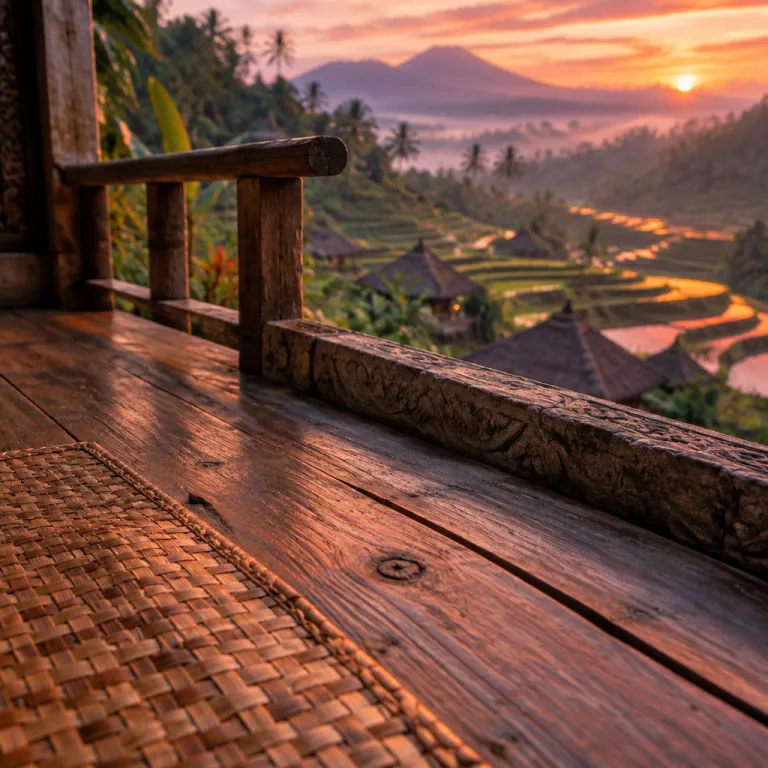
Why Bali Indonesia solo travel is ideal for hidden villages and rice terraces
Bali rewards any solo traveller who is curious, patient, and observant. During a well planned solo trip, the island reveals quiet villages, layered rice terraces, and a slower rhythm that many travelers miss. If you choose your hotel carefully, your Bali Indonesia solo travel can balance comfort, safety, and access to the best place for rural landscapes.
The island of Bali is compact enough for a flexible trip, yet varied enough that each day can feel like a different tour. Many solo travelers base themselves in Ubud or around island Bali’s central highlands, then arrange short tours into nearby valleys and hidden hamlets. This approach keeps your customer experience smooth while still allowing spontaneous solo travel moments, like joining a village ceremony or pausing at a roadside warung with a perfect view.
For a first solo trip Bali, Ubud remains the best starting point for rice terrace views and cultural immersion. From here, you can visit Tegallalang at sunrise, then continue to quieter rice fields near Sebatu or Keliki for a more intimate experience. These areas suit solo travellers who want to walk between paddies, carry only a reusable water bottle, and return to a comfortable hotel by late day.
Hidden villages around Ubud offer a softer side of Bali travel, especially if you enjoy yoga, art, and slow mornings. Many stays now include guided village walks or short cycling tours, which help solo travelers feel oriented while still preserving independence. If you prefer structured days, you can book small group tours that combine a temple visit, a rice terrace hike, and a relaxed lunch in a family compound.
Compared with coastal hubs like Nusa Dua or the Gili Islands, central Bali delivers more consistent access to rice terraces in both the dry and rainy seasons. The island’s interior also makes it easier to add a wildlife safari style experience, such as birdwatching at dawn or spotting monkeys beyond the famous Monkey Forest. For Bali Indonesia solo travel focused on landscapes rather than nightlife, this central belt of island Bali is where I recommend you spend most of your days.
Choosing the right area for a hotel near hidden villages
Location shapes every solo trip, especially when you rely on local drivers or limited public transport. Around Ubud, the best place for rice terrace access is usually north or east of town, where traffic thins and the air cools slightly. Staying in these outskirts gives solo travellers a calmer base while still keeping cafés, yoga studios, and markets within a 15 to 25 minute ride.
For travelers who prioritise safety and quiet, small lanes near Tegallalang, Pejeng, and Petulu work well for Bali Indonesia solo travel. These areas allow you to walk to nearby rice fields at sunrise, then arrange a short tour by scooter taxi or car later in the day. If you are unsure about safety as a solo traveller, read a detailed guide on whether solo travel in Bali is safe for hotel based stays near hidden villages before you book.
South of Ubud, villages like Lodtunduh and Mas offer a different experience, with art workshops and woodcarving studios lining the main roads. Here, the view may be more about coconut groves and temple roofs than endless paddies, but you still find pockets of rice fields behind the main streets. This suits solo travelers who want a blend of culture, craft, and easy access to town for evening meals.
If your Bali travel plans include both rice terraces and the sea, consider splitting your days between Ubud and the coast. Nusa Dua offers calm beaches and polished resorts, while the Gili Islands provide a car free island experience with snorkelling and relaxed cafés. A two centre trip Bali like this lets solo travellers enjoy hidden villages inland, then unwind by the water without rushing long transfers in a single day.
Those drawn to more adventurous tours might add Nusa Penida or the northern coast after a few days near Ubud. Nusa Penida delivers dramatic cliffs and ocean views, while the north offers quieter villages and access to waterfalls rather than rice terraces. For Bali Indonesia solo travel, I recommend starting inland to ground yourself, then expanding outward to Nusa, Nusa Dua, or the Gili Islands once you feel confident navigating the island.
How to evaluate hotels for solo travelers seeking rice terrace views
When you plan a solo trip focused on hidden villages, your hotel becomes both base camp and safety net. Look for properties that clearly describe their distance to specific rice terraces or named villages, not just generic claims about a “rice field view”. A transparent description signals better customer experience standards and usually reflects honest communication with solo travellers.
For Bali Indonesia solo travel, prioritise hotels that offer reliable Wi Fi, 24 hour reception or security, and clear check in procedures. These details matter when you return from a long day tour or evening visit to Ubud and want a smooth arrival. Reading reviews from fellow travelers and solo travelers helps you gauge how staff respond to late arrivals, transport issues, or special requests.
Accessibility is another indicator of professionalism, even if you do not personally need it. Properties that invest in ramps, wider paths, and thoughtful layouts often show the same care in safety briefings and tour recommendations. For an example of this approach near Ubud’s jungle and rice terraces, study these elegant jungle stays in Ubud with genuine disability access, which illustrate how design and service can support a wide range of travelers.
Transport is central to any solo trip Bali, especially when hidden villages sit far from main roads. Before booking, ask the hotel about shuttle schedules to Ubud, typical taxi prices, and whether they can arrange private tours to nearby rice terraces. A property that answers quickly and clearly will likely support you well if plans change mid trip.
If you intend to use public transport at any time, understand that options on island Bali are limited outside main corridors. You may rely on a mix of ride hailing apps, local drivers, and occasional buses rather than a single integrated system. To prepare, review a practical guide on how to navigate Bali public transport when choosing your hotel so your Bali travel logistics remain manageable.
Designing your solo trip itinerary around hidden villages and rice terraces
A thoughtful itinerary turns Bali Indonesia solo travel from a simple holiday into a layered experience. Start with two to four days based near Ubud, using each day to explore a different direction of the island’s interior. One day might focus on Tegallalang and nearby villages, another on the Monkey Forest area and southern rice fields, and a third on more remote terraces reached by short tours.
On your first full day, keep plans light to adjust to the climate and traffic patterns. A gentle morning walk through nearby paddies, followed by a relaxed yoga class and an early dinner in Ubud, gives solo travellers time to observe how the island moves. Carry a reusable water bottle, wear light clothing, and note how long it takes to return to your hotel before planning more ambitious tours.
By the second or third day, you can add a structured tour that combines several experiences. Many operators offer small group tours that include a rice terrace hike, a temple visit, and a coffee plantation stop, which can be ideal for solo travelers who want company without committing to a full group trip. Joining such tours also introduces you to fellow travelers who may share tips about Nusa Penida, Nusa Dua, or the Gili Islands for later stages of your journey.
If wildlife interests you, consider a wildlife safari style excursion in Bali’s interior rather than a traditional big game tour. Birdwatching at dawn, guided walks through forest edges, or ethical visits to conservation centres can all be woven into a multi day itinerary. These experiences complement time in hidden villages and rice terraces, offering a broader sense of island Bali’s ecosystems.
For those comparing Bali with the Greek Islands, remember that distances and infrastructure differ significantly. On Bali, a 30 kilometre drive can take over an hour, so plan your days with realistic travel times between villages, terraces, and your hotel. A well paced solo trip Bali will always feel richer than a rushed circuit that tries to cover every corner of the island in too few days.
Practical safety and comfort tips for Bali Indonesia solo travel
Safety on a solo trip depends as much on habits as on destination. In Bali, most solo travellers feel comfortable walking in villages by day, especially around Ubud and the central highlands. At night, rely on registered taxis or ride hailing services rather than walking long distances along unlit roads between rice fields.
When visiting rice terraces or hidden villages, tell your hotel where you plan to go and roughly what time you expect to return. This simple step improves your safety net and allows staff to recommend the best route or trusted drivers for your tour. Many hotels on island Bali now keep a log of guest excursions, which quietly supports solo travel without feeling intrusive.
Hydration and sun protection matter more than many travelers expect, especially during long walks between paddies. Always carry a reusable water bottle, refill it at your hotel, and top up whenever you stop for a snack or coffee. This habit not only reduces plastic waste but also keeps your energy steady across hot days of Bali travel.
Respect for local customs will shape your customer experience in hidden villages. Dress modestly when entering temples, ask before photographing people, and follow your guide’s advice about sacred areas within rice terraces. Solo travelers who show this consideration often receive warmer welcomes, more detailed explanations, and sometimes invitations to small ceremonies or family compounds.
Animal encounters require particular care, especially around the Monkey Forest and other areas where macaques gather. Keep your water bottle, phone, and snacks zipped away, and avoid direct eye contact or feeding, which can encourage bold behaviour. Treat any wildlife safari style outing with the same respect, choosing operators who prioritise animal welfare over staged interactions.
Extending your journey beyond Ubud: coasts, islands, and contrasting landscapes
Once you have settled into the rhythm of hidden villages and rice terraces, you may feel ready to extend your Bali Indonesia solo travel beyond Ubud. The question becomes how to balance more rural days with time by the sea or on neighbouring islands. A thoughtful combination can turn a good solo trip into a memorable, multi layered travel experience.
For calm beaches and structured facilities, Nusa Dua on the southern coast offers a strong contrast to central Bali. Here, solo travellers find paved promenades, lifeguarded swimming areas, and hotels that can arrange day tours back into the interior if you miss the rice terraces. This base works well at the end of a trip Bali, when you may prefer shorter excursions and more time to rest.
If you crave wilder scenery, Nusa Penida and the Gili Islands provide a different island experience again. Nusa Penida’s cliffs and viewpoints demand more physical effort and careful planning, which suits confident solo travelers who already understand local transport and tour options. The Gili Islands, by contrast, offer car free lanes, snorkelling, and a slower pace that many compare with parts of the Greek Islands, though the culture and logistics remain distinctly Indonesian.
Wherever you extend your journey, keep at least one or two days free of fixed tours. Unstructured time allows you to revisit a favourite village, linger at a viewpoint, or simply enjoy your hotel’s surroundings without rushing. Many solo travellers report that these unscheduled days become the highlight of their Bali travel, precisely because they allow space for chance encounters and quiet reflection.
As you plan, remember that every transfer between regions eats into your available daylight. Aim to move bases no more than three times during a typical solo trip Bali, anchoring your itinerary around Ubud, one coastal area such as Nusa Dua, and perhaps one additional island like Nusa Penida or the Gili Islands. This structure keeps logistics manageable while still delivering the best of island Bali’s hidden villages, rice terraces, and coastal horizons.
Key statistics about Bali solo travel and rural stays
- According to Bali’s tourism board, Ubud and its surrounding villages consistently attract a high proportion of independent visitors, with solo travelers representing a significant share of long stay guests in central Bali compared with coastal resort zones.
- Surveys from major booking platforms show that properties within 5 kilometres of Ubud’s centre receive higher satisfaction scores from solo travellers when they offer clear transport information and organised tours to nearby rice terraces.
- Data from conservation organisations in Indonesia indicate that community based tourism projects in rural Bali, including rice terrace walks and village homestays, have grown steadily over the past decade, providing supplementary income to farming families while encouraging more respectful forms of wildlife safari style experiences.
- Climate records for island Bali highlight relatively stable temperatures year round, but rainfall patterns vary by region, making central highland areas around Ubud more suitable for lush rice terrace views during both wetter and drier months than some coastal districts.
FAQ about Bali Indonesia solo travel and hotel choices
Is Bali safe for solo travelers who want to stay near rice terraces ?
Most solo travellers find Bali safe, especially around Ubud and established village areas, provided they use registered transport, avoid walking along unlit rural roads at night, and follow basic precautions such as securing valuables and informing hotel staff about day tours.
Which area is best for a first solo trip focused on hidden villages ?
For a first Bali Indonesia solo travel itinerary centred on rice terraces and village life, staying just outside Ubud in areas like Tegallalang, Pejeng, or Lodtunduh offers the best balance of scenery, access to tours, and proximity to cafés, yoga studios, and essential services.
How many days should I spend in Ubud before heading to the coast or islands ?
Plan at least three to four days around Ubud to explore nearby rice terraces, visit the Monkey Forest, join a yoga class, and take one or two organised tours, then consider adding several days in Nusa Dua, Nusa Penida, or the Gili Islands for contrasting coastal landscapes.
Do I need to book tours in advance for rice terrace walks and village visits ?
Booking at least your first one or two tours in advance is wise during busy periods, but many hotels near Ubud can arrange additional day trips on short notice with trusted drivers and guides who know the quieter rice terrace routes and hidden villages.
What should I pack for a solo trip in Bali’s rural areas ?
Pack light, breathable clothing that covers shoulders and knees for temple visits, sturdy sandals or shoes for rice terrace paths, a reusable water bottle, sun protection, and a small daypack, keeping valuables minimal so you can move comfortably between tours and village walks.