Understanding how to avoid crowds in Bali when choosing where to stay
Learning how to avoid crowds in Bali starts with where you sleep. If you choose a hotel only because it is close to a famous beach or temple, you will probably share every sunrise with hundreds of people. A more strategic approach is to treat your hotel as a quiet base on the island, then dip into busy places in Bali only when it truly adds to your experience.
Many first time visitors book in Kuta or central Seminyak, then wonder why they cannot escape crowds even late at night. These areas of Bali are dense, noisy, and convenient for nightlife, but they are rarely the right place for travellers who want rice terraces, rice fields, and calm village life. When you plan where to stay in Bali, think of Kuta and similar places as hubs you might visit once, not as your long term base.
To genuinely escape crowds, look at north Bali, east Bali, and the inland valleys instead. Amed, Lovina, Sidemen, and Munduk each offer a very different Balinese atmosphere, with fewer people and more space between hotels. From these quieter places you can still travel to a beautiful beach or famous temple at the right time, then retreat to your peaceful room before the tour buses arrive. For example, a small guesthouse on the edge of Sidemen’s rice fields or a family run lodge above Munduk’s valleys can feel almost rural compared with the main resort strips.
Timing your trip and daily rhythm to escape the busiest places
Even in popular parts of Bali, your daily rhythm can transform how busy the island feels. The same beach or temple can feel almost private at sunrise, then completely packed by mid morning when most people arrive on organised tours. If you care about how to avoid crowds in Bali, you must care just as much about time as about location.
Plan your visits to Uluwatu, Tanah Lot, and the Monkey Forest in Ubud around the typical tour schedules. Early morning and late evening usually mean cooler air, softer light, and far fewer people on the paths or viewpoints. When you see a Bali tour brochure that promises hotel pickup at 9 am, assume that is exactly the time you should already be leaving the site. As a rule of thumb, aim to arrive close to opening time, often around 7–8 am, or wait until after 6 pm once the last buses have gone.
Seasonal patterns matter too, especially if you are sensitive to haze or smoke when you travel. Before you book, read a detailed guide about Bali’s smoke season and what September’s haze risk means for where you stay, so you can match your chosen areas of Bali with the clearest air and quietest weeks. In recent years, the main risk period has typically fallen between August and October, according to regional air quality summaries. Aligning your hotel booking with these patterns lets you avoid Bali at its most congested, while still enjoying the island at its most beautiful.
Quiet rice terraces, hidden villages, and where to stay for them
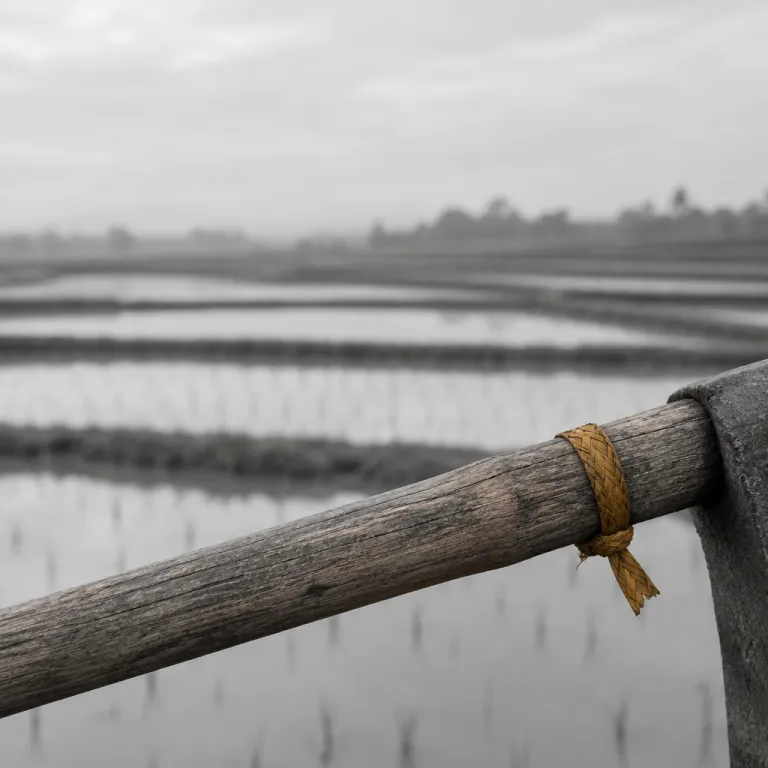
If your dream of Bali is all about rice terraces and misty hills, your hotel choice becomes even more important. Ubud is the classic inland base, yet central streets now feel busy for much of the day, and many people are surprised by the traffic. To enjoy the same beautiful rice fields with fewer visitors, look just beyond town or shift to quieter valleys entirely.
Sidemen and Munduk are the two names you should circle on any map when you want to escape crowds. The Sidemen Munduk duo offers some of the most dramatic rice fields and rice terraces in Bali, with winding lanes, local warungs, and views towards Mount Agung or the northern ridges. When you stay in Bali in these villages, you wake to roosters and temple bells rather than scooters and bar music. A simple homestay overlooking Sidemen’s paddies or a hillside bungalow near Munduk’s waterfalls can give you the slow, village based experience many travellers imagine when they picture rural Bali.
Budget does not need to push you back into the busiest streets either. Use a specialist guide on where to stay in Bali on a budget for rice terraces, villages, and beaches to match your price range with a calm place. In these upland areas of Bali, you can still travel to Ubud for a day, visit the Monkey Forest or a central temple, then return to your quieter base before the evening traffic builds. When you read hotel descriptions, look for phrases such as “edge of the rice fields” or “village setting” and check recent guest reviews for comments about noise.
Choosing coastal bases that feel like a beach alternative to Bali’s hotspots
Many visitors assume that a Bali beach must mean Kuta, Legian, or central Canggu. Those strips can be fun for nightlife and surfing lessons, yet they are the exact opposite of a beach alternative for travellers who want to avoid crowds. If your priority is how to avoid crowds in Bali, you should treat those coasts as day trip options, not as your primary base.
Look instead at north Bali and the quieter east coast, where the rhythm of life still feels deeply Balinese. Lovina offers long black sand beaches, dolphin watching at dawn, and a slower pace, while Amed combines volcanic slopes, fishing villages, and easy access to coral reefs. These places in Bali are not empty, but the people you meet are more likely to be local families and long stay travellers than large tour groups. A small seafront inn in Lovina or a simple bungalow in Amed’s hills can feel far more spacious than a large hotel beside a busy bar strip.
On the southern peninsula, Nusa Dua can work as a controlled, calm base if you choose carefully. The area’s gated resorts keep the beach relatively quiet, and you can treat it as a beach alternative to the busier west coast while still reaching Uluwatu or Tanah Lot by car. When you plan where to stay in Bali along the shore, ask each hotel about direct beach access, typical guest numbers, and whether they host large events that might affect your sense of space. For photos of these coastal areas, use descriptive image alt text such as “quiet black sand beach in north Bali at sunrise” so any maps or galleries remain accessible.
Island hopping, marine life, and how to keep the experience serene
Island hopping can be a powerful way to avoid Bali at its busiest while still enjoying the region’s marine life. Nusa Penida, Nusa Lembongan, and Nusa Ceningan each offer a different balance of cliffs, beaches, and snorkelling, yet they now attract many day trippers. To escape crowds on these islands, stay overnight and time your outings for early morning or late afternoon, when the last boats have left.
When you plan snorkelling or diving, think carefully about which marine park or reef you choose. Some operators focus on a single famous bay, while others spread their trips across several quieter sites, giving you a more relaxed experience with fewer people in the water. A detailed guide to beginner friendly Bali snorkelling and how to match your hotel with calm reefs can help you select both a property and a marine park area that feel like a true beach alternative to the main resort strips. When comparing operators, ask how many guests they take per boat and whether they avoid the 10 am to 2 pm peak window highlighted in recent Nusa Penida marine park summaries.
Back on the main island, Amed and north Bali generally offer calmer sea conditions and less crowded boats than the southern coasts. These areas of Bali are ideal if you want to combine a quiet stay in Bali with easy access to coral gardens and views of Mount Agung rising above the shoreline. By pairing a low key coastal base with carefully chosen island excursions, you can enjoy the beautiful seascapes without feeling that you must constantly avoid crowds. For underwater photos, use alt text such as “snorkeller above shallow coral reef off east Bali” to keep any image based guides clear and searchable.
Visiting iconic temples and viewpoints without feeling overwhelmed
Some names on the island are simply too important to skip, even for travellers who usually avoid crowds. Uluwatu, Tanah Lot, and the royal temples around Ubud carry deep cultural meaning for Balinese people, and they frame some of the most beautiful sunsets in Indonesia. The key is to approach each temple or viewpoint with a clear plan that respects both the site and your own patience.
For Tanah Lot and the wider Tanah Lot coastal area, sunrise or late evening after sunset can feel surprisingly calm. Many tour buses focus on the golden hour itself, so arriving earlier or lingering later lets you experience the temple with more space and a softer atmosphere. The same logic applies to Uluwatu, where the famous Kecak dance draws large crowds, but the cliffs before or after the show can feel almost meditative. Check current opening hours, which are often from early morning until around 7 pm, and confirm any special ceremony times with your hotel before you set out.
Inland, Ubud’s Monkey Forest and the central palace area are busiest from late morning to mid afternoon. To practise how to avoid crowds in Bali here, walk the Campuhan Ridge or nearby rice fields at dawn, then visit the Monkey Forest as soon as it opens, and retreat to your hotel pool by midday. A simple check of opening hours, prayer times, and local ceremonies will help you avoid Bali at its most hectic, while still honouring the spiritual life that makes these places so compelling. When you read a temple guide or map, look for up to date notes, ideally dated within the last year, so you can judge how current the advice is.
Key figures on visitor flows and quieter regions in Bali
- The island of Bali welcomed more than 6 million international visitors in the last pre pandemic year, according to Statistics Indonesia’s 2019 arrivals data, with the majority concentrated in the southern regencies of Badung and Denpasar.
- Data from the Bali Tourism Office, summarised in 2019 accommodation reports, show that Kuta, Legian, and Seminyak account for well over half of all registered hotel rooms in the south, which explains why these areas of Bali feel significantly busier than north Bali or the eastern coast.
- Visitor surveys conducted by the Indonesian Ministry of Tourism in the late 2010s indicate that travellers who stay at least 3 nights in inland villages such as Sidemen or Munduk report higher satisfaction with cultural experience and lower perceptions of crowding compared with those who stay only in Kuta.
- Marine conservation reports for the Nusa Penida marine park, published around 2018–2020, highlight that peak snorkelling and diving pressure occurs between 10 am and 2 pm, suggesting that early morning or late afternoon sessions are the most effective way to avoid crowds at popular bays.
- Traffic monitoring around Tanah Lot and Uluwatu in recent pre pandemic years shows pronounced spikes in vehicle numbers 2 to 3 hours before sunset, reinforcing the advice to visit either shortly after opening or later in the evening if you want a calmer temple visit.
FAQ about avoiding crowds in Bali when booking your hotel
Which areas of Bali are best if I want to avoid crowds ?
North Bali, Amed on the east coast, and inland villages such as Sidemen and Munduk are consistently quieter than Kuta, Seminyak, or central Ubud. These regions offer rice fields, rice terraces, and village life with fewer large hotels and tour buses. They are ideal if you want a calm stay in Bali while still being able to travel to busier places for day trips.
How should I time my visits to famous temples like Tanah Lot and Uluwatu ?
Arrive at Tanah Lot shortly after opening or stay after the main sunset crowd leaves to enjoy a more peaceful atmosphere. At Uluwatu, visit the cliffs and temple either early in the morning or after the evening Kecak performance if you prefer fewer people. In both places, avoid crowds by steering clear of the mid afternoon to sunset window when most tours arrive.
Is Ubud still a good base if I want a quiet experience ?
Central Ubud has become busy, but the outskirts and nearby villages can still feel tranquil. Choose accommodation north or east of the main road, close to rice fields or small temples, and plan your visits to the Monkey Forest and market for early morning. If you want even more space, treat Ubud as a day trip from Sidemen or Munduk rather than your primary base.
Are Nusa Penida and other nearby islands less crowded than Bali ?
Nusa Penida and its neighbours can feel crowded during the middle of the day because of day trips, yet they are much quieter early and late. Staying overnight on the island lets you visit popular viewpoints and beaches outside peak hours. This approach turns the islands into a genuine beach alternative to the main Bali resort strips.
What should I ask a hotel before booking to be sure it is quiet ?
Ask about the hotel’s distance from main roads, bars, and beach clubs, and whether they host large events or tour groups. Check how many rooms they have, typical guest profiles, and whether nearby temples hold frequent ceremonies with loudspeakers. A careful check of these details by email or phone will help you avoid Bali properties that look serene online but feel crowded in reality.