Solo travel in Bali safe or not when choosing your hotel base
Whether solo travel in Bali feels safe or not is usually the first question guests ask at check in. For most solo travellers, and especially any solo female visitor, the island feels welcoming, provided you choose the right area and hotel style for your needs. Feeling Bali safe starts with location, visible staff presence, and how easily you can meet people in shared spaces without feeling exposed or isolated.
For a first trip Bali solo, staying near central Ubud or Seminyak rather than isolated cliffs helps you understand local rhythms and traffic patterns. These hubs give solo travelers quick access to pharmacies, clinics, and reliable transport, which is reassuring if you worry about issues such as Bali belly or late night rides. When you plan any solo trip, look for properties with staffed receptions 24 hours a day, clear security measures, and verified guest reviews that mention solo travel, not only couples or groups.
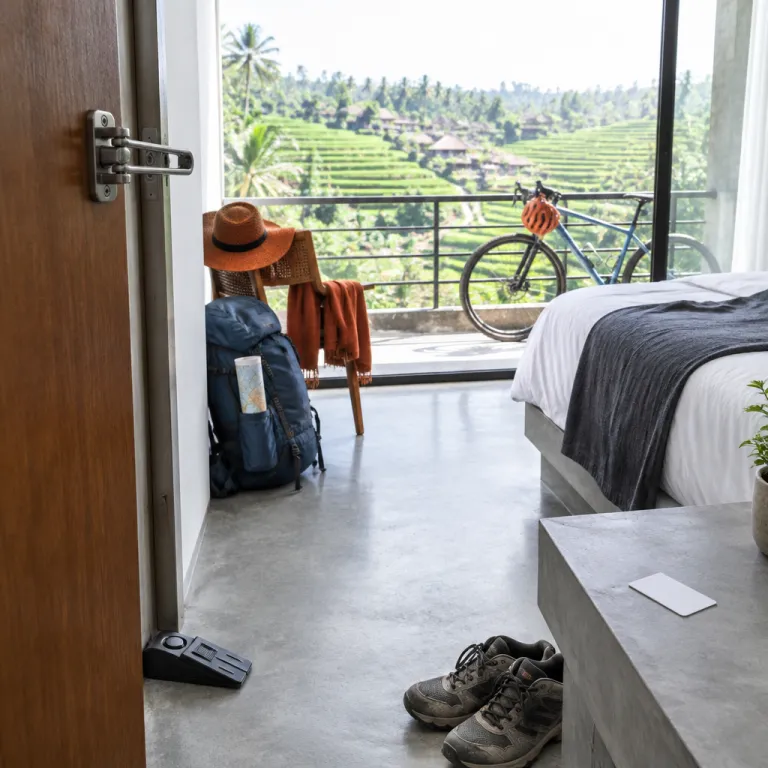
Hidden villages and rice terrace views tempt every solo traveler, yet they can feel remote after dark. To keep your solo travel Bali experience balanced, book a hotel on a main road but with rice field access paths behind, so you can walk safely by day and return quickly by evening. This approach lets solo travelers enjoy the best island scenery while still feeling safe solo when they come back to a well lit lobby and attentive people at the front desk. As one repeat guest from Germany put it, “I loved wandering the rice fields alone in the afternoon, but I always chose a hotel where I could see reception lights from the main road at night.”
Choosing the best areas for solo travellers near rice terraces and hidden villages
When weighing solo travel in Bali safe or not, your chosen base matters more than any packing list. Ubud remains the best area for solo travellers who want rice terrace views, hidden villages, and easy day trips without feeling cut off. From a central Ubud hotel, you can reach Tegallalang rice terraces, quiet village lanes, and yoga studios while still returning to busy streets and other travellers at night.
For a first trip Bali itinerary, many solo travelers split their time between Ubud and a coastal area such as Canggu or Sanur. This combination lets a solo female traveler enjoy cultural day trips inland, then unwind by the beach with cafés and digital nomads around for company. To structure your trip Bali plan, use a flexible schedule like those in this sample Bali day by day itinerary guide, then pin two or three hotel bases rather than moving every night.
Canggu suits solo travellers who like cafés, co working spaces, and a social beach scene, though traffic can feel chaotic at peak time. Sanur works better for solo travelers who prefer calmer streets, a long walking path by the beach, and easier access to boats for the Gili Islands or Nusa Lembongan. Wherever you stay, ask the hotel about walking routes to nearby villages and rice fields, and avoid unlit shortcuts after dark even if other people seem to use them. A solo guest from Canada described how a receptionist in Sanur drew a simple map showing which lanes stayed busy until late, which she then followed for the rest of her stay.
Weather, seasons, and when Bali feels safest for a solo trip
Many guests quietly wonder whether solo travel in Bali safe or not depends on the season. In practice, safety for solo travellers is more about visibility, crowds, and infrastructure than about the calendar month. High season brings more people on the streets and in hotels, which can feel reassuring for a solo female traveler who prefers not to walk alone on empty lanes.
Rainy months can make rural paths slippery around rice terraces and hidden villages, so solo travelers should check conditions with hotel staff before heading out. During drier months, day trips to places such as Tegallalang, Sidemen, or Jatiluwih rice terraces are easier, yet heat and sun exposure become the main concerns. If you are planning to travel Bali during the regional smoke period, review this detailed overview of Bali’s haze and where to stay so your hotel choice supports respiratory comfort and clear views.
Regardless of time of year, solo travelers should avoid walking alone on unlit rice field paths at night, even if the hotel is technically close. Ask reception for a trusted driver or scooter taxi, and keep your sim card topped up so you can call for help if needed. This simple habit keeps Bali safe for most solo travelers who want to enjoy hidden landscapes without unnecessary risk.
Hidden villages, rice terraces, and how to explore them safely alone
When you ask whether solo travel in Bali safe or not, you are often thinking about those quiet rice terraces and hidden villages beyond the main roads. These landscapes are where Bali best memories are made, yet they require more planning for any solo female visitor. The safest approach is to base yourself in Ubud or Sidemen, then arrange guided day trips through your hotel rather than wandering completely alone.
Hotels that work regularly with licensed guides can tailor day trips to your fitness level and interests, whether you want gentle rice terrace walks or longer village hikes. This structure lets solo travelers enjoy authentic village life, meet people in a respectful way, and avoid getting lost on unmarked paths. For a calmer cultural angle, consider this elegant guide to refined things to do in Ubud, then ask your hotel concierge to adapt suggestions to your solo trip pace.
In more remote valleys, mobile coverage can be patchy, so a local sim card from a major provider such as Telkomsel or XL is essential. Keep your hotel’s business card in your day pack, and agree a latest return time with reception so someone expects you back. These habits help keep Bali safe for solo travelers who want immersive experiences in hidden villages without sacrificing basic oversight.
Coastal escapes for solo travelers: Nusa islands, Gili Islands, and beach bases
For many guests, the question of solo travel in Bali safe or not extends to nearby islands such as Nusa Penida, Nusa Lembongan, and the Gili Islands. These destinations offer dramatic cliffs, clear water, and relaxed beach cafés, yet they differ in how comfortable they feel for solo travellers. Nusa Lembongan is usually the best first step, with compact villages, walkable lanes, and hotels that understand the needs of a solo female traveler.
Nusa Penida feels wilder, with steep roads and viewpoints that require care, so solo travelers should book guided tours through their hotel rather than renting scooters without experience. The Gili Islands, especially Gili Trawangan and Gili Air, attract a mix of backpackers, couples, and digital nomads, which can make it easy to meet people at sunset bars or snorkeling trips. When planning any trip Bali extension to these islands, choose hotels near the main strips rather than isolated coves, and avoid walking along empty beach stretches late at night.
Back on the main island, Canggu and Seminyak provide a great balance of beach access, cafés, and co working spaces for Bali solo visitors. These areas are popular with digital nomads, so solo travelers can join group surf lessons, yoga classes, or communal tables to meet people naturally. As always, keep your sim card active, use hotel arranged transport after dark, and treat alcohol with caution to reduce the risk of accidents or Bali belly from late night street food.
Health, Bali belly, and practical tips for safe solo stays
Health concerns often shape how people judge solo travel in Bali safe or not, especially when staying alone in a hotel room. The most common issue is Bali belly, a local term for stomach upsets usually linked to water, ice, or unfamiliar food. To reduce the risk, drink only bottled or filtered water, avoid ice from unknown stalls, and choose busy restaurants that turn over food quickly.
Before your solo trip, arrange travel insurance that covers medical care and evacuation, then save the details in your phone and on paper. Many of the best hotels in Ubud, Canggu, and Sanur have relationships with international clinics and can arrange transport if a solo female guest feels unwell. Reputable facilities often mentioned by travellers include Siloam Hospitals in Denpasar, BIMC Hospital in Kuta, and Ubud Care Clinic near central Ubud, which all provide English speaking staff and clear billing procedures.
On arrival, buy a local sim card at the airport or from an official shop so you can contact your hotel, drivers, or emergency services at any time. In Indonesia, the general emergency number is 112, while 110 connects to police and 118 or 119 to medical help in many areas. Share your daily plans with reception, especially if you are heading to remote rice terraces or quiet beaches, and agree on a rough return time. These simple tips keep Bali safe for solo travelers, allowing you to enjoy the island’s best experiences while maintaining control over your environment and wellbeing.
Key statistics about solo travel safety and tourism in Bali
- Indonesia welcomed around 5.2 million international visitors in 2022 as tourism recovered after border closures, and Bali consistently receives the largest share of these arrivals, which means solo travelers are rarely alone in major hubs such as Ubud, Canggu, and Seminyak (figures based on recent releases from Indonesia’s Ministry of Tourism and Creative Economy).
- Tourism is widely reported to contribute roughly half of Bali’s regional economy when direct and indirect jobs are combined, so local businesses and hotels have strong incentives to keep the island safe and welcoming for solo travellers and groups alike (estimates drawn from Bali provincial government briefings and World Bank style regional development reports).
- Major travel insurers note that most claims from Bali relate to motorbike accidents, falls, and Bali belly rather than violent crime, which underlines why helmet use, cautious driving, and food hygiene matter more than fear of targeted attacks (summaries from providers such as World Nomads and Allianz in their destination safety overviews).
- Digital nomads and long stay visitors now represent a significant portion of Bali’s repeat guests, with co working spaces in Canggu and Ubud reporting thousands of active members each month, creating a built in community for solo travelers seeking social contact (membership statistics shared in press releases and industry surveys).
- Keep your hotel, embassy, and clinic contacts saved in your phone and written on a card.
- Use hotel safes for passports and spare cards; carry only what you need each day.
- Avoid unlit shortcuts through rice fields or beaches at night; use registered taxis or drivers.
- Use common ride hailing apps such as Grab or Gojek where permitted, or ask reception to call a Blue Bird taxi.
- Wear a helmet on any scooter, even for short rides, and avoid riding if you lack experience.
- Drink bottled or filtered water, and choose busy eateries to reduce the risk of Bali belly.
FAQ about solo travel in Bali and hotel based stays
Is Bali safe for solo female travelers staying in hotels ?
Bali is generally safe for a solo female traveler who chooses reputable hotels in central areas such as Ubud, Canggu, Sanur, or Seminyak. Most incidents involve petty theft or traffic rather than targeted violence, so focus on standard precautions like using hotel safes and avoiding unlit streets. Staff in established hotels are used to solo travellers and can help arrange trusted drivers and guides.
Which area is best for a first time solo trip to Bali ?
For a first Bali solo visit, Ubud and Sanur make an excellent combination. Ubud offers culture, rice terraces, and hidden villages within easy reach, while Sanur provides a calmer beach base with a long promenade and easy boat access to nearby islands. Both areas have a wide range of hotels, cafés, and clinics, which reassures many solo travelers.
How can I avoid Bali belly when traveling alone ?
To reduce the risk of Bali belly, drink only bottled or filtered water, avoid ice from street stalls, and choose busy restaurants with high turnover. Wash or sanitize your hands before eating, especially after handling cash or using public transport. If you do fall ill during a solo trip, contact your hotel reception, who can direct you to a reputable clinic and help with transport.
Are the Nusa islands and Gili Islands safe for solo travellers ?
Nusa Lembongan and the Gili Islands are generally safe for solo travelers who stay near main villages and use registered boats and guides. Nusa Penida has more challenging roads and cliff paths, so it is safer to join organized tours rather than exploring remote viewpoints alone. In all cases, avoid walking on empty beaches late at night and keep your sim card active for communication.
Do I need a local sim card for solo travel in Bali ?
A local sim card is strongly recommended for solo travel in Bali because it allows you to contact hotels, drivers, and emergency services easily. Data access also helps with navigation, translation, and ride hailing apps, which improves both safety and convenience. Purchase your sim card from official counters at the airport or reputable shops to ensure proper registration and reliable coverage.