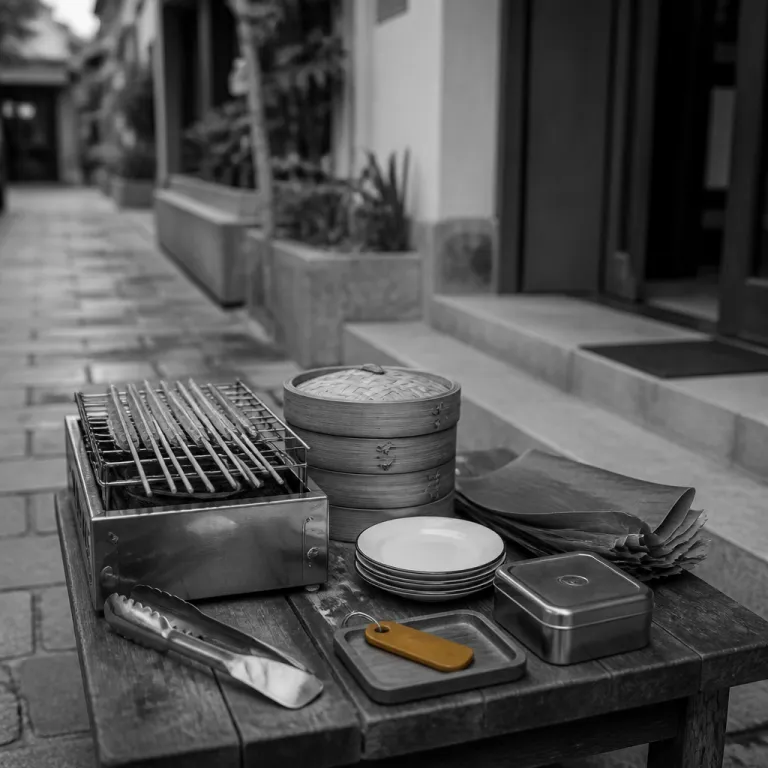
Why Bali street food you must try belongs in your hotel plans
Bali food shapes how you feel about the island from the first evening. When you plan where to stay, think about which Balinese foods and Balinese dishes are served within walking distance of your lobby, because the best memories often come from a late walk to nearby food stalls for sizzling gorengan (fried snacks) and fragrant nasi campur. Around many hotels in South Bali and in Ubud, you can find a dense cluster of street food vendors, small warungs, and casual restaurants Bali visitors love, which turns a simple stay into a relaxed Bali culinary journey.
For someone choosing a hotel, proximity to safe, busy street food stalls is almost as important as a pool or spa. The main SEO phrase Bali street food you must try is not just a slogan, it is a practical checklist of dishes and foods that should be available within a ten minute stroll, from nasi goreng and mie goreng to sate lilit and babi guling carved to order. When you compare options, email the front desk and ask which Balinese food streets or night markets are popular with Bali local residents, such as Pasar Badung in Denpasar or Gianyar Night Market, because where locals eat daily is usually where the best traditional Indonesian cuisine is served fresh.
Many first time travel guests worry about hygiene, yet Bali street food is generally safe when you choose wisely. Local guides and food tour companies repeat the same advice: choose busy, clean stalls with food cooked to order and served very hot. Look for high turnover, food bubbling on the wok or grill, separate tongs for raw and cooked items, and vendors who handle money and cooking separately, then you can enjoy a wide range of Balinese foods with confidence near your chosen hotel.
Signature balinese dishes and where to find them near temples
Some of the best Balinese dishes are closely tied to temple life, so your hotel location near major shrines will shape which foods you taste first. When you stay close to iconic sites such as Tirta Empul, Goa Gajah, or the temples around central Ubud, you can find morning offerings of nasi campur, sweet snacks, and freshly fried treats at food stalls that serve worshippers before and after ceremonies. This is where Balinese food and traditional Indonesian spirituality meet, and it is also where the idea of Bali street food you must try becomes very real.
Roasted babi guling, the famous spit roasted pork dish, is often prepared for ceremonies then sold in simple restaurants Bali families have trusted for generations. One of the most cited names is Warung Babi Guling Ibu Oka in Ubud, frequently mentioned in guidebooks and traveller reviews, where plates are served with crackling, rice, and vegetables, and where you can taste a benchmark version of this popular Balinese food while staying in a nearby hotel. When you read about how Bali’s must see temples shape your hotel choice in this guide to temple focused stays, remember that temple areas also concentrate some of the island’s most authentic street food and traditional Indonesian cuisine.
Beyond babi guling, look for sate lilit skewers made from minced fish or meat mixed with grated coconut and spices, which are grilled beside many temple entrances. These sate lilit skewers are a key part of Balinese foods at ceremonies, yet they are also sold as everyday street food, often served with nasi or rice cakes for a quick meal under 50,000 rupiah according to recent traveller reports. If you plan your travel days around temple visits, you can time your meals so that you taste these dishes when they are freshly fried or grilled, which is when Balinese food is at its best.
From hotel breakfast to night markets: planning a full day of food
A smart hotel choice lets you move smoothly from breakfast buffets to street food without wasting time in traffic. Many properties now highlight their connection to Bali culinary culture, offering Balinese food corners at breakfast with nasi goreng, mie goreng, and local sambal, then pointing guests toward nearby food stalls for lunch and dinner. When you evaluate where to stay, ask whether the hotel team can recommend Bali local vendors for nasi campur, sate lilit, and other Balinese dishes that match your spice tolerance.
Morning is ideal for lighter dishes such as rice porridge, fresh fruit, and simple nasi combinations, while evenings bring the full theatre of Bali street food you must try. Around sunset, popular night markets in Denpasar, Gianyar, and smaller towns near Ubud come alive with fried snacks, grilled seafood, and traditional Indonesian desserts, all served at prices that average around 2–3 USD per meal according to recent traveller reports and local food blogs. If you are staying in a resort area, check whether the hotel runs shuttle services to these markets, or whether a short taxi ride of 10–20 minutes can connect you to the most vibrant food Bali scenes.
Packing correctly helps you enjoy this food focused travel rhythm without discomfort. Lightweight clothing, modest outfits for temple visits, and comfortable sandals make it easy to move from your room to nearby restaurants Bali locals love, then on to shrines and markets, and this outfit guide for Bali hotels and temples offers practical detail. With the right wardrobe and a hotel in a walkable neighbourhood, you can sample multiple Balinese foods in one day, from hotel breakfast nasi goreng to late night mie goreng at a street corner cart.
Hotel areas with the best access to iconic Bali street food
Not every part of Bali offers the same depth of street food, so your hotel’s neighbourhood matters. Denpasar and the towns surrounding it have the densest concentration of food stalls, warungs, and small restaurants Bali residents use daily, which means a wider choice of Balinese foods at local prices. Ubud, by contrast, offers a slower rhythm with more vegetarian friendly Balinese dishes and fusion foods, yet you can still find excellent nasi campur, nasi goreng, and sate lilit within a short walk of most central hotels.
In South Bali, areas such as Seminyak, Legian, and Kuta mix international restaurants with classic Indonesian cuisine, so you can alternate between Western comfort food and traditional Indonesian plates. Here, the Bali food scene includes beachside nasi goreng, mie goreng, and grilled seafood served on plastic stools, which can be a relaxed way to experience must try street snacks without leaving the tourist strip. When you compare hotels, look at maps to see how far you are from markets like Gianyar Night Market or Sanur’s evening stalls, and read recent reviews that mention Bali food, Balinese food, or specific dishes like babi guling and nasi campur.
Ubud deserves special attention because it combines culture, wellness, and Bali culinary depth in a compact area. Around the central market and side streets, you can find everything from humble nasi goreng stalls to well known names such as Ibu Oka for babi guling, which makes it easy to plan a full day of tasting without long drives. Choosing a hotel within one kilometre of Ubud’s main crossroads means you can walk to multiple food stalls, sample different Balinese dishes each night, and still return quickly to rest before the next day’s travel plans.
From street food to cooking class: deepening your connection to Balinese cuisine
Once you have tasted a few rounds of Bali street food you must try, a cooking class becomes the natural next step. Many hotels either host their own Balinese food workshops or partner with nearby schools, where you visit a morning market, learn about spices, then prepare Balinese dishes such as nasi campur, sate lilit, and fried snacks under the guidance of local chefs. This shift from being a guest at food stalls to cooking Balinese foods yourself deepens your understanding of Indonesian cuisine and makes every later meal more meaningful.
Look for a cooking class that keeps group sizes small and focuses on traditional Indonesian techniques rather than only fusion recipes. The best programs start with a walk through a Bali local market, where you can see how vendors handle fresh produce, meat, and spices that later appear in nasi goreng, mie goreng, and babi guling marinades, then return to a kitchen where each dish is served as a shared feast. When you return to your hotel after such a session, you will recognise flavours in nearby restaurants Bali visitors often overlook, from subtle lemongrass notes to the balance of sweet, sour, and heat in classic Balinese food.
Some hotels in Ubud and rural areas integrate these culinary experiences with cultural ceremonies and local tours, so you might combine a temple visit, a short rice field walk, and a hands on class in one day. This kind of Bali culinary itinerary turns simple travel into a layered exploration of food Bali traditions, where street food, home cooking, and ritual offerings all connect. When you book, ask whether the property can arrange both a cooking class and guided visits to markets and shrines, because that combination offers one of the best returns on your time and budget.
Pairing Bali street food with cultural ceremonies and hotel based tours
Cultural ceremonies are woven into daily life in Bali, and they strongly influence what is cooked and served on the streets. When you stay near village temples or palace complexes, you will often find special Balinese dishes at food stalls before and after processions, from ceremonial babi guling to colourful rice cakes that rarely appear in tourist restaurants Bali visitors usually choose. Aligning your hotel stay with these events lets you experience Bali street food you must try in its most authentic setting, surrounded by music, incense, and families in traditional dress.
Many hotels now curate local tours that combine temple visits, dance performances, and guided tastings of Balinese foods, which is ideal if you prefer structure. A typical half day might include a morning ceremony, a stop at a Bali local warung for nasi campur or nasi goreng, and an evening walk through a market where fried snacks, sate lilit, and mie goreng are cooked to order and served on simple plates. This format works especially well for first time travel guests who want to enjoy food Bali options confidently without worrying about language or logistics.
If you are planning a romantic stay, some properties integrate these cultural and culinary elements into tailored packages. You might combine a temple blessing, a private tasting of Balinese food classics, and a sunset dinner after exploring options in this guide to choosing the right Bali honeymoon package, which often includes curated meals at both street food stalls and intimate restaurants. By choosing a hotel that respects local ceremonies and highlights Indonesian cuisine, you support the community while ensuring that every day brings new dishes, new flavours, and a deeper connection to Bali food culture.
Key figures for planning your Bali street food budget
- An average street food meal in Bali costs about 2–3 USD, which means a couple can comfortably enjoy three Bali food experiences per day for under 15 USD, based on typical prices reported by recent travellers.
- Most nasi goreng, mie goreng, or nasi campur plates at local food stalls fall between 20,000 and 40,000 rupiah, which is often less than one tenth of a main course in mid range restaurants Bali travellers choose for dinner.
- Busy markets in Denpasar or near Ubud can feature more than 30 individual vendors in a single lane, giving you access to dozens of Balinese dishes and snacks within a five minute walk from many central hotels.
- Evening hours from 18.00 to 22.00 see the highest turnover at fried and grill stalls, which improves freshness and aligns with the common advice that Bali street food is generally safe when you choose busy, clean vendors.
FAQ about Bali street food you must try near your hotel
Is Bali street food safe for hotel guests to eat?
Bali street food is generally safe when you choose busy, clean stalls with high turnover and food served very hot. Look for vendors who cook in front of you, avoid pre cut salads that sit in the heat, and drink bottled water rather than tap water. Many hotels keep updated lists of trusted Bali local stalls for nasi goreng, mie goreng, and other Balinese foods, so ask the front desk for current recommendations.
What is the best time of day to eat Bali street food?
Evenings are usually the best time to enjoy Bali street food you must try, because most vendors operate from late afternoon until late night and the selection of dishes is widest. Morning is ideal for lighter nasi campur, rice porridge, and snacks near markets, while midday can be quieter with fewer stalls open. Plan your travel schedule so that temple visits or tours end near markets around sunset, then walk from your hotel to explore the full range of Balinese food.
Are there vegetarian options in Bali street food?
Vegetarian travellers will find many options in Balinese dishes, especially in Ubud and around wellness focused hotels. Look for nasi campur with tofu, tempeh, and vegetables, vegetable mie goreng, and gado gado salad with peanut sauce, all of which are common in traditional Indonesian cuisine. When ordering, clearly say you do not eat meat or babi, and vendors at most food stalls will adapt plates of Balinese food to your needs.
Which Bali street food dishes should hotel guests try first?
First time visitors should start with nasi goreng, mie goreng, and sate lilit, because these dishes are widely available, affordable, and represent core flavours of Indonesian cuisine. Once comfortable, move on to richer options such as babi guling at respected places like Ibu Oka in Ubud, and explore regional nasi campur variations at Bali local warungs near your hotel. This progression lets you experience the best of food Bali culture without overwhelming your palate on the first night.
How can I find the best street food near my Bali hotel?
The most reliable method is to ask hotel staff where they personally eat, then walk to those recommended food stalls and observe which ones are busiest with locals. Cross check by reading recent online reviews that mention specific Balinese dishes such as babi guling, nasi goreng, or sate lilit, and favour vendors with consistent praise for cleanliness and flavour. Combining local advice with your own observations will quickly lead you to the best Bali street food you must try within a short distance of your room.