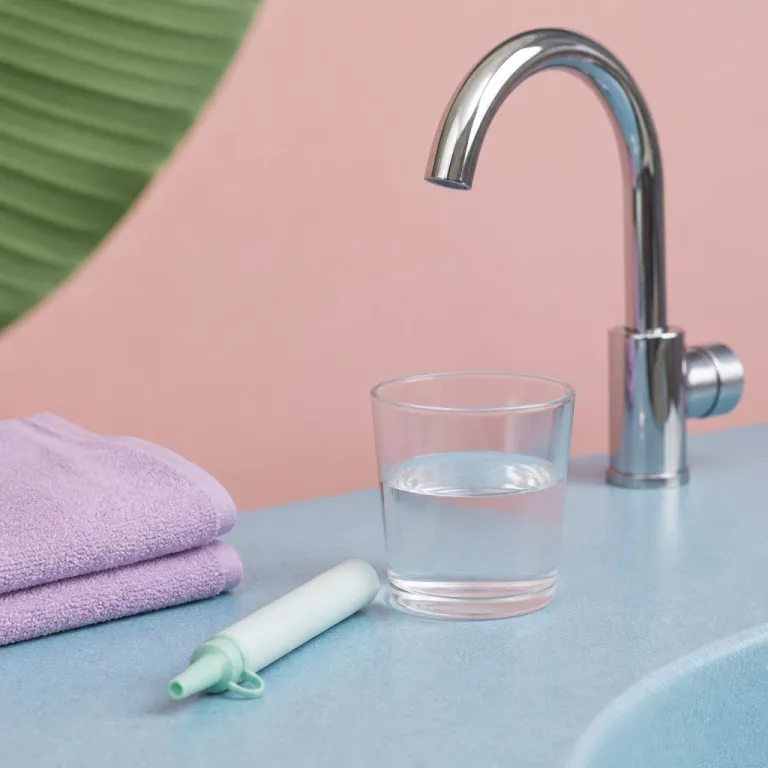
Is tap water safe to drink in Bali when you stay in a hotel
Travellers often ask whether tap water is safe to drink in Bali, especially when choosing a hotel. The short answer is that tap water in most Bali properties is not considered a safe drink for direct consumption, because the municipal supply and building pipes can allow bacteria and heavy metals to enter the system. For that reason, you should never drink tap water straight from the bathroom or sink, even in luxury resorts that promote high water quality.
Across the island, Bali tap water is usually classified as non potable, meaning it is not approved as drinking water for guests or staff. The Bali tap network is improving, and some hotels invest in treated water systems, but the risk of contaminated pipes and inconsistent pressure means the overall water infrastructure still cannot guarantee that every glass from the tap is a safe drink. To protect yourself from “Bali belly” and other gastrointestinal issues, always assume that tap water is not water safe for swallowing, even if it looks clear and tastes neutral.
Most hotels provide complimentary bottled water in rooms, and this bottled water is the standard option for drinking water in Bali. You will usually find at least one sealed water bottle per guest, and many eco conscious properties now offer filtered treated water dispensers where you can refill your own bottles. When you arrive, ask reception directly whether the hotel considers its Bali tap water safe for brushing teeth, and whether the in room kettle uses a separate treated water supply or the regular tap water line.
Understanding Bali tap water, bali belly and hotel hygiene
To understand why tap water is not a safe drink in Bali hotels, it helps to look at how the island’s water supply works. Much of the Bali tap network relies on ageing pipes and intermittent pressure, which allows bacteria and sometimes heavy metals to seep into the system before the water reaches your shower or sink. Even when the original treated water leaving a plant is relatively high quality, it can become contaminated by the time it arrives at your room.
The term Bali belly is commonly used for stomach cramps, diarrhoea and nausea that visitors experience after consuming unsafe food or drinking tap water. In many cases, Bali belly is caused by bacteria or viruses in contaminated drinking water, but it can also come from ice cubes made with unsafe supply lines or from raw food washed in unfiltered water. Hotels that take hygiene seriously will use treated water in their kitchens, control the source of ice cubes, and train staff to avoid cross contamination between raw and cooked food.
Even if a hotel claims its Bali tap water is filtered, you should still avoid drinking tap water directly from the bathroom, because internal plumbing can harbour biofilm and bacteria. Instead, rely on sealed bottled water or filtered dispensers, and use that same bottled source when you brush teeth if you have a sensitive belly. This simple habit dramatically reduces your risk of Bali belly, especially when combined with careful choices about salads, street food and drinks with ice cubes.
Practical hotel habits for safe drinking water and daily routines
Once you check into your Bali hotel, create a simple routine around drinking water so you never need to drink tap water by accident. Place the complimentary bottled water beside the bathroom sink, and use this bottled water every time you brush teeth or rinse your mouth, rather than turning on the tap out of habit. If you prefer chilled drinks, keep one water bottle in the minibar and another at room temperature for quick sips during the night.
Many eco conscious hotels now provide large glass water dispensers or filtered treated water stations on each floor, which allow you to refill reusable bottles and reduce plastic waste. Ask reception whether the dispenser uses properly treated water that is safe drink quality, and whether that same treated water is used in the restaurant for cooking and for making ice cubes. When staff confirm that their drinking water system is independently tested, you can feel more confident that the Bali water you consume on site is as water safe as possible.
If you stay several weeks or work remotely, extend the same routine so it remains sustainable. Buy a high quality reusable water bottle and refill it from your hotel’s treated water dispensers, then use that same bottled source for brushing teeth and making tea. If your accommodation does not offer filtered Bali tap water, consider purchasing larger refillable gallons of bottled water from reputable brands and storing them in your room for daily use.
Ice, drinks, food safety and how hotels manage water risk
Ordering cocktails by the pool is part of the Bali experience, but you should still think about the ice and the water behind every drink. In well managed hotels, bar staff use ice cubes made from treated water delivered by reputable suppliers, and these ice cubes are usually cylindrical with a hole through the centre, which is a common sign of factory produced cubes. When in doubt, ask whether the cubes a Bali bar uses come from filtered drinking water or from the general tap water supply.
Restaurants inside higher end hotels typically rely on treated water for washing vegetables, cooking rice and preparing sauces, which reduces the risk of bacteria and Bali belly from food. However, smaller guesthouses may still rinse salads with regular Bali tap water, so raw dishes can carry a higher chance of contaminated droplets, especially when the local water supply is inconsistent. To stay on the safe side, choose cooked food over raw options in modest places, and ask whether the kitchen uses bottled water or filtered drinking water for washing and ice.
When you leave the hotel to explore Bali, apply the same logic to cafés and beach clubs, and do not drink tap water even if the venue looks stylish. Order drinks without ice if you are unsure about the cubes, or request ice cubes made from bottled water if the staff can confirm their source clearly. These small questions help you avoid unnecessary exposure to heavy metals or bacteria, while still enjoying Bali’s vibrant café culture and sunset bars.
Eco conscious stays, plastic waste and choosing safer hotel water systems
Travellers who care about plastic waste often feel conflicted when they see multiple single use bottles in their Bali hotel room. The good news is that many eco conscious properties now combine safe drinking water with reduced plastic by installing central treated water systems and providing refillable glass bottles instead of disposable bottles. When you research where to stay, look for hotels that explain how their Bali tap water is filtered, how often they test quality, and how they balance water safe standards with sustainability.
Some leading resorts use advanced filtration to turn Bali tap water into high quality drinking tap water, then distribute this treated water through a separate internal network reserved for kitchens and guest dispensers. These systems can remove heavy metals and most bacteria, creating a reliable safe drink source while cutting down dramatically on bottled water deliveries and plastic waste. When a property publishes clear information about its drinking water treatment and invites guests to refill a personal water bottle, it usually signals a serious commitment to both health and the environment.
If you work remotely or stay longer term, consider hotels that cater to digital nomads and explain their infrastructure in detail, such as those featured in this guide to Bali digital nomad hotels and choosing the right area and routine. These properties often combine strong Wi Fi, thoughtful food options and robust drinking water systems, which makes daily life smoother and safer. By favouring hotels that invest in treated water and transparent testing, you support a version of Bali safe tourism that protects both your belly and the island’s fragile ecosystems.
Longer stays, daily routines and how to manage water safely
Guests staying several weeks in Bali need a sustainable routine that keeps drinking water safe without relying on endless plastic bottles. One option is to buy a high quality reusable water bottle and refill it from your hotel’s treated water dispensers, then use that same bottled source for brushing teeth and making tea. If your accommodation does not offer filtered Bali tap water, consider purchasing larger refillable gallons of bottled water from reputable brands and storing them in your room.
When you cook simple meals or prepare baby formula in an apartment style hotel, always use bottled water or properly treated water rather than Bali tap water from the sink. Boiling can reduce some bacteria, but it does not reliably remove heavy metals or chemical contaminants that may be present in the local supply, especially in older buildings. For that reason, boiling alone does not turn drinking tap water into a fully safe drink, and you should still start with a clean bottled or filtered source.
Over time, these habits become automatic, and you will rarely think about whether the water safe question has been answered for each drink. You will reach for your water bottle before leaving the room, refill it from a trusted dispenser, and avoid any temptation to drink tap water even when you feel thirsty after a long walk. This approach keeps your belly comfortable, your risk of Bali belly low, and your environmental impact more balanced during an extended stay.
Key figures on Bali water safety and traveller health
- According to Bali’s regional water utility reports, non revenue water losses from leaks and illegal connections have exceeded 40 percent of total supply in several assessments published between 2018 and 2022, which increases the risk of contaminated water entering the network through damaged pipes. These figures are summarised in public reports from Perusahaan Daerah Air Minum (PDAM) and regional planning documents.
- World Health Organization guidelines state that safe drinking water should contain zero detectable Escherichia coli per 100 millilitres, as set out in the WHO Guidelines for Drinking water Quality, 4th edition (2017 update). Independent tests in Indonesian urban areas reported in peer reviewed studies from the 2010s have found E. coli in more than 30 percent of household taps, highlighting why Bali tap water is not considered potable.
- Studies on plastic waste in Indonesia, including research summarised by international marine pollution reviews around 2015–2020, have estimated that the country is among the top global contributors of mismanaged plastic entering the ocean. This evidence, often citing work by Jambeck et al. (2015) and later updates, is one reason many Bali hotels are shifting from single use bottled water to filtered treated water dispensers.
- Traveller health surveys from international clinics in Bali, reported over the last decade, consistently list gastrointestinal complaints, often labelled as Bali belly, as one of the most common reasons for consultation among visitors, with unsafe food and drinking water cited as leading triggers. Clinics and travel medicine centres regularly publish these trends in annual or multi year summaries.
FAQ: is tap water safe to drink in Bali hotels
Can I drink tap water in my Bali hotel room
You should not drink tap water in Bali hotel rooms, because the local supply and building pipes can allow bacteria and heavy metals to enter the system. Always use bottled water or filtered treated water for drinking, even in high end properties. This simple rule significantly reduces your risk of Bali belly and other stomach issues.
Is it safe to brush teeth with Bali tap water
Many frequent visitors brush teeth with Bali tap water without problems, but there is still a small risk from contaminated droplets. If you have a sensitive belly or want to be cautious, use bottled water or filtered drinking water for brushing instead. Hotels usually provide enough bottled water for this purpose, and you can request extra bottles if needed.
Are ice cubes in Bali hotels safe
In larger hotels and quality restaurants, ice cubes are usually made from treated water supplied by reputable factories, and these cubes are generally safe. However, smaller venues may freeze regular tap water, so you should ask staff whether their ice comes from filtered drinking water. If they cannot answer clearly, order drinks without ice to avoid unnecessary risk.
How can I reduce plastic waste while keeping water safe in Bali
Bring a reusable water bottle and choose hotels that offer filtered treated water dispensers instead of only single use bottles. Refill your bottle from these stations and use that water for drinking and brushing teeth, which keeps you safe while cutting plastic waste. Many eco conscious properties in Bali now highlight their water systems as part of their sustainability programmes.
Is restaurant food in Bali safe if the tap water is not drinkable
Cooked food in reputable hotels and restaurants is generally safe, because heat kills most bacteria that might be present in Bali tap water used for cooking. Raw salads and unpeeled fruits can be riskier if they are washed in untreated tap water, especially in smaller venues. To minimise the chance of Bali belly, favour cooked dishes and ask whether the kitchen uses bottled or filtered drinking water for washing produce.
Quick checklist: what to do and avoid with Bali hotel water
- Do drink sealed bottled water or filtered treated water from hotel dispensers, and refill a reusable bottle for day trips.
- Do use bottled or filtered water for brushing teeth if you have a sensitive stomach, and keep a bottle beside the sink as a reminder.
- Do ask reception how often their drinking water is tested, and whether ice and kitchen water come from a separate treated supply.
- Don’t drink tap water from the bathroom or sink, even in luxury resorts, or rely on boiling alone to make Bali tap water safe.
- Don’t assume ice cubes, salads or smoothies are safe in smaller venues unless staff can clearly explain their water source.
- Don’t ignore eco options: choose hotels that publish information about their filtration systems and offer glass bottles or refill stations.