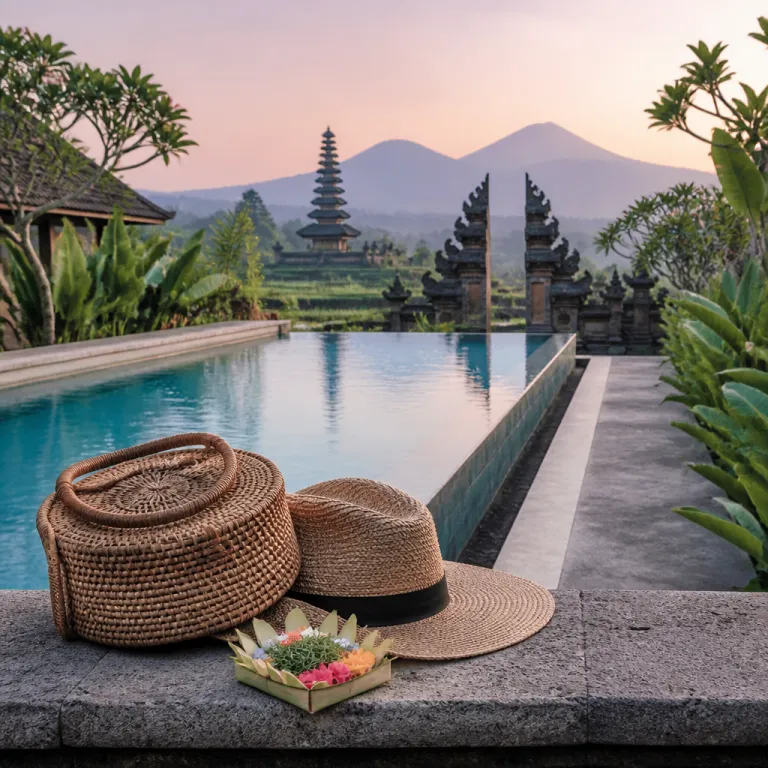
How bali temples you must visit shape your hotel choice
Choosing where to stay in Bali becomes easier once you map the Bali temples you must visit around your itinerary. When you understand how each Bali temple is located in a different landscape, from sea cliffs to rice terraces, you can align your hotel booking with the specific temples Bali is most famous for and reduce time lost in traffic. This approach lets you enjoy both the best temples and a restful stay instead of rushing from one sacred site to another.
Many travellers book a first base in Ubud to reach central Bali temples such as Tirta Empul, Goa Gajah, Gunung Kawi and the royal garden sanctuary of Taman Ayun. From a well chosen hotel in or near Ubud you can visit more than one temple complex in a single morning, then return for a swim or spa treatment before heading out again in the late afternoon. If you plan a second base near the coast, you can then focus on famous temples such as Tanah Lot and Uluwatu Temple without long drives back inland.
Think of each temple Bali offers as an anchor for a different style of stay, whether you prefer jungle, lake, or ocean views. A property near the Monkey Forest in Ubud, for example, places you close to several pura shrines and to the cultural heart of Balinese daily life. On the other hand, a hotel near Tanah Lot Temple or close to Uluwatu Temple gives you front row access to sunset rituals over the water and a very different side of Balinese spirituality, from the scent of incense to the sound of waves below the cliffs.
Staying near Ubud for sacred water rituals and jungle temples
Ubud remains the most strategic base for travellers who want easy access to several Bali temples you must visit in the island’s cultural heart. Within a short drive you reach Tirta Empul, Goa Gajah, Gunung Kawi and Taman Ayun, each temple complex offering a distinct window into Balinese Hinduism. Hotels in and around Ubud also make it simple to arrange early morning departures, which is often the best time to visit these sacred sites before tour buses arrive.
Tirta Empul is the island’s most renowned sacred water temple, where Balinese worshippers and visitors alike queue at the pools for purification rituals. When you stay in Ubud you can arrive at Tirta Empul in the morning, pay a modest entrance fee in Indonesian rupiah at the ticket counter, and still have time to continue to Gunung Kawi, a temple complex carved into a river valley with rice terraces. Many hotels will prepare early breakfasts and coordinate drivers so your time to visit each temple Bali offers in this region is used efficiently rather than spent waiting for transport.
Closer to central Ubud, Goa Gajah combines a cave sanctuary, bathing pools and a compact pura courtyard that rewards an unhurried visit. You can pair a stop at Goa Gajah with an afternoon walk through the Monkey Forest, where a small temple complex sits among towering trees and playful macaques. With so many temples Bali has concentrated around Ubud, choosing a hotel here allows you to experience both the best temples and the quieter village shrines that give the area its enduring charm, from morning offerings on doorsteps to the distant sound of gamelan.
Coastal stays for sunset rituals at Tanah Lot and Uluwatu
If your vision of Bali temples you must visit includes dramatic ocean views, consider booking a hotel along the south or southwest coast. Tanah Lot Temple and Uluwatu Temple are two of the most famous temples on the island, and staying nearby transforms a rushed excursion into an unhurried ritual. From a coastal base you can time your visit to each sea temple around the tides, the light and your own pace rather than a rigid tour schedule.
Tanah Lot, often simply called Tanah Lot Temple, sits on a rocky outcrop surrounded by water at high tide and is one of the classic Bali temples for sunset photography. The entrance fee for Tanah Lot is typically in the low hundreds of thousands of rupiah for foreign adults, which you pay at the main gate before walking through the market area to the shoreline, though exact amounts can change. When you stay in Canggu, Tabanan or nearby resorts, you can arrive in the late afternoon, explore the small pura shrines around the main rock, then linger after sunset while day trippers hurry back to distant hotels.
Farther south, Uluwatu Temple crowns a limestone cliff, making it another Bali temple you must visit if you value sweeping horizons and cultural performances. The best time to visit Uluwatu Temple is in the evening, to witness the Kecak dance at sunset, and a hotel in Uluwatu or Jimbaran lets you reach the temple located on the headland in less than thirty minutes. Coastal stays also give you the flexibility to return on another day, exploring different vantage points along the cliffs and appreciating why these temples Bali offers by the sea are considered among its best.
Planning a journey to East Bali and the highland lakes
For travellers willing to travel farther, East Bali and the central highlands hold some of the most atmospheric Bali temples you must visit. Lempuyang Temple, Tirta Gangga and the lakeside sanctuary of Ulun Danu Beratan reward those who plan at least one or two nights away from the south. Booking a hotel in East Bali or near Bedugul reduces driving time and allows you to experience these temple complexes in softer light and calmer conditions.
Lempuyang, often called Lempuyang Temple or Pura Lempuyang Luhur, is famous for its “Gates of Heaven” framing Mount Agung, and the best time to visit is early morning before clouds gather. From a hotel in East Bali you can reach the temple located on the mountain slopes in time for sunrise, pay entrance and shuttle fees in rupiah at the official counters, and then continue later in the day to Tirta Gangga, a former royal water palace with statues and pools that feel like an open air temple complex. Many travellers combine these two temples Bali offers in the east with a stay in nearby coastal villages, balancing spiritual visits with quiet beaches.
In the central highlands, Ulun Danu Beratan Temple appears to float on Lake Beratan, making it one of the most photogenic Bali temples you must visit. A stay in Bedugul or Munduk lets you reach Ulun Danu in the morning, when mist often hangs over the water and the pura shrines reflect in the still surface. Because this temple Bali showcases is popular with domestic visitors as well, arriving early is again the best time to appreciate its sacred atmosphere before the parking lots fill and the lakeside paths grow crowded.
Practical etiquette, entrance fees and timing for temple visits
Understanding etiquette and logistics will help you enjoy the Bali temples you must visit while respecting local customs. Every major Bali temple requires modest clothing that covers shoulders and knees, and most provide sarongs and sashes at the entrance for a small fee in rupiah if your hotel has not supplied them. Wear shoes that handle steps and damp paths, because many temples Bali maintains sit on hillsides, near water or within forested areas.
Entrance fees vary from one temple complex to another, with famous temples such as Tanah Lot, Uluwatu Temple, Tirta Empul and Ulun Danu generally charging more than smaller village shrines. At Tirta Empul you pay one fee to enter the sacred water area, then an additional charge if you wish to rent a special sarong for bathing, while at Gunung Kawi and Goa Gajah the entrance usually includes access to the main pura courtyards and surrounding grounds. Hotels with experienced concierges can advise on current rupiah amounts and the best time to visit each temple Bali features, helping you avoid both crowds and midday heat.
Photography is generally allowed at most Bali temples you must visit, but you should avoid flash and never step into areas reserved for Balinese worshippers during ceremonies. Guided tours are widely available, and many travellers find that a knowledgeable guide adds context about the symbolism of each temple located in different parts of the island. As you plan your time to visit multiple temples Bali offers, remember that early morning and late afternoon not only provide softer light but also a calmer, more reverent atmosphere.
Matching temple experiences with your preferred style of stay
Once you know which Bali temples you must visit, you can match them with the style of hotel stay that suits you best. Travellers who prioritise culture often choose Ubud, where proximity to Tirta Empul, Goa Gajah, Gunung Kawi, Taman Ayun and the Monkey Forest means less time in cars and more time in temple courtyards. Those who prefer ocean breezes and sunsets usually base themselves near Tanah Lot or Uluwatu, focusing on sea temples Bali has made iconic.
If you value tranquillity and cooler air, a stay in the highlands near Ulun Danu Beratan or in East Bali near Lempuyang and Tirta Gangga may be ideal. From these quieter bases you can explore a different side of Balinese spirituality, visiting temple complexes surrounded by rice fields, lakes and mountains rather than busy resort towns. Some travellers even design a circular route, starting in Ubud, moving to East Bali, then finishing near Tanah Lot Temple or Uluwatu Temple, ensuring they experience a wide range of famous temples without backtracking.
Whatever your route, remember that each Bali temple is part of a living religious landscape rather than a stand alone monument. Choosing hotels that respect local culture, employ Balinese staff and support nearby communities deepens the meaning of every temple visit you make. In the end, the best temples are often those where you arrive unhurried, with enough time to sit quietly and feel how water, stone and ceremony shape daily life in temple Bali.
Key figures to know before planning temple focused travel
- Bali is home to an estimated 20,000 temples, according to local tourism sources, which means even a focused itinerary will only touch a small fraction of the island’s sacred sites.
- Tanah Lot Temple is located in Tabanan Regency on the southwest coast, making it an easy coastal excursion from many hotels in Canggu and Seminyak.
- Uluwatu Temple sits on the southern peninsula, so staying in Uluwatu or Jimbaran significantly reduces driving time compared with basing yourself in Ubud.
- Besakih, known as the Mother Temple complex on the slopes of Mount Agung, is best visited in the morning for fewer crowds, which aligns well with an overnight stay in East Bali rather than a same day return from the south.
- Ulun Danu Beratan Temple near Bedugul is most atmospheric in the morning when mist often covers Lake Beratan, so a nearby highland hotel allows you to arrive before tour groups travelling up from the coast.
FAQ about Bali temples you must visit
What is the entrance fee for Tanah Lot and how do I pay it ?
The entrance fee for Tanah Lot is often around the low hundreds of thousands of rupiah for foreign adults, paid in cash at the main gate before you walk down to the sea, though prices can be updated by local authorities. Many hotels can confirm the latest amount in rupiah and suggest the best time to visit based on tides and sunset. Keep small notes ready, as card payments are not always available at every temple located in rural areas.
Is there a dress code for visiting Bali temples ?
Yes, there is a clear dress code for every major Bali temple you must visit, and it applies to both men and women. The guideline is simple ; shoulders and knees should be covered, and a sarong with a waist sash is required inside the pura courtyard. Many temples Bali maintains provide sarong rental at the entrance, but some hotels in Ubud and coastal areas also lend them to guests.
Can I take photos inside the temples ?
Yes, you can usually take photos inside the temples, but avoid flash and respect ceremonies. You are usually free to photograph the outer courtyards, shrines and water features at famous temples such as Tirta Empul, Tanah Lot, Uluwatu Temple and Ulun Danu, as long as you do not block pathways. When a ceremony is in progress, follow the lead of Balinese worshippers and never step into areas reserved for prayer, even if other visitors are taking pictures.
Are guided tours available for these temples ?
Guided tours are widely available for these temples. Your hotel concierge in Ubud, East Bali or the southern resorts can arrange private drivers or small group excursions that combine several Bali temples you must visit in one day, such as Goa Gajah, Gunung Kawi and Tirta Empul, or Tanah Lot and Uluwatu Temple for sunset.
What is the best time of day to visit Bali temples ?
The best time to visit most Bali temples is either early morning or late afternoon, when temperatures are lower and light is softer. Morning is ideal for Tirta Empul, Gunung Kawi, Besakih and Lempuyang, while late afternoon suits Tanah Lot and the cliffs around Uluwatu Temple. Planning your hotel locations around these time windows ensures you spend less time in traffic and more time experiencing the sacred atmosphere of each temple complex.